The search for classroom management ideas can educators in many directions. During a recent webinar, Realityworks Product Manager (and former educator) Dr. Shikha Goodwin shared ideas, activities and techniques for engaging health science students and getting them excited about learning. Keep reading to see the ideas she’s learned from her own teaching experience and by collaborating with educators across the country.
Share your excitement
Shikha’s first tip: Share your excitement! You’re entering your classroom with valuable experiences, whether you were once an EMT, a CNA, a nurse or other health care professional. If you’re coming from industry, make sure your students know that – and that they understand how the content you’re teaching could potentially change their lives. Additionally, explain how they might use that information in real jobs – connect those lessons to the real world. Your Generation Z students want to see how the lessons they’re learning apply to real life.
Take advantage of blended learning methods
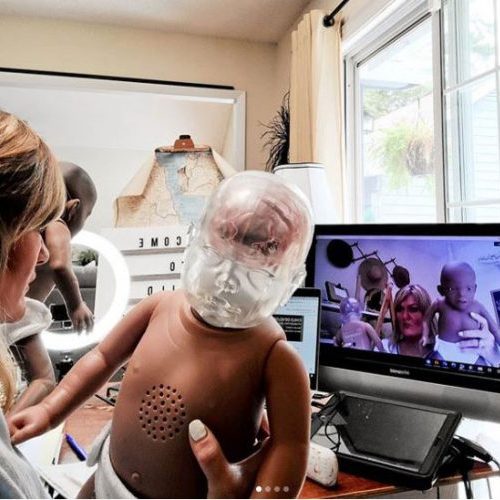
COVID has changed the way we learn. Over the last year and a half, we’ve all experienced a mix of learning methods – blended, remote, in-person. Now that you have a choice, employ those methods in a way that makes the most of each one and appeals to your students’ preferred learning method. Consider asking your students what method of learning they prefer. Ask them what they enjoy using or would like to see more of. Then, use their answers to tweak your teaching style so you can maximize the technologies available to you.
Create a flipped classroom
Consider pre-recording yourself giving your lecture. Give that recording to your students with the understanding that they’ll watch it before coming to class. Doing so then opens up that class to discussion, interaction and hands-on learning with students that are now actively engaged. Additionally, this method gives you an opportunity to see how much of the information they have understood. Find those tougher points and dive deeper into those topics in class.
Recognize that we are all learning from each other
Ask students about their role models and why they want to learn. Give them the chance to learn about each other, from each other. Learning how to teach and share in group learning environments will help prepare your students for future careers.
Additionally, encourage your students to form teams – but make sure those teams are different each time. Why? One of the things that happens when you form teams and groups is the same set of students will come together each time. The idea is to break that pattern. You want students to be in new group settings so if one student has a strategy, they can share it. If one student has a weakness, they can learn from others. For that reason, we recommend choosing groups randomly every time, or assigning them ahead of time.
Use scenario-based learning to teach soft skills

Our workplace-specific Career Scenario Cards use real-world situations and interactive activities to help students develop key soft skills. Repeatedly practicing these skills now will prepare your students for future success.
Leave time time for questions
As Shikha shared in her presentation, she used to allot only a small amount of time for student questions. Usually, this was at the end of a presentation, and it wasn’t for very long. As she shared in her webinar, however, she learned that questions help students digest information and understand tough points. Consider adding slides for questions every 5-10 slides, if you’re using a slide presentation. Asking questions allows students to think through what they’re learning, pause and digest information. Additionally, asking questions helps you understand what students are grasping and struggling with.
Remember to play
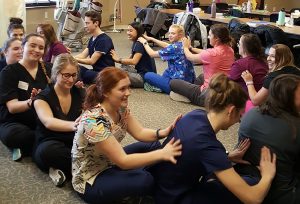
Play is a strategy for learning at any age, according to Project Zero’s Mara Krechevsky. Stay positive, incorporate fun videos, and make jokes. Ask your students about a vacation they’d like to take, what their favorite TV show is. These activities will make your classroom environment fun and light-hearted – and will likely leave your students more engaged in their learning.
Invite guest speakers
As we mentioned earlier, your Generation Z students want to see how the concepts they’re learning apply to the real world. What better way to help them make that connection than by interviewing real professionals?
Even with COVID precautions in place, video conference tools allow you to invite virtual guest speakers. Have students prepare questions beforehand, then present those questions to your speaker. Not only will your students learn important information about real careers, but they’ll have opportunities to practice soft skills like interviewing.

Incorporate skills checklists
Do you teach handwashing steps? Patient care steps? Steps for completing specific skills, like taking someone’s blood pressure? Consider typing out those steps in checklist form, laminating the lists and hanging them around your classroom. The idea here is that students encounter these checklists often enough that when they get out into the real world, those steps are already ingrained.
Create expectation and to-do checklists
Create a master slide that summarizes what you expect from them – no laptops, no cell phones, etc. Setting clear expectations can help you ensure your students are engaged in learning and not distracted by things you cannot control.
Align to standards
As Shikha shared in her presentation, today’s health science instructors are fortunate to be teaching at a time when various consortiums have created such detailed standards. For instance, the NCHSE offers standards for industry and post-secondary expectations for classrooms. They detail topics, including categories and sub-categories, so you can plan thorough, comprehensive lessons.
Additional resources
Looking for more resources and ideas for improving health science classroom management? Consider these:
- Watch Shikha’s entire presentation, “Resources for Improve Your Health Science Classroom Management,” on-demand anytime:
- Incorporate standards-based skills simulation kits like our Nursing Skills Sim Kit or CNA Skills Sim Kit
- Explore health science careers with these free career exploration lesson plans
- Discover new interactive training tools and lesson plans in our 2021 Health Science catalog