EMS instructors have a big responsibility. The skills they teach will not only help students succeed in careers, but save lives. The more engaged their students are in class, the more information they’ll retain – information that could change the outcome of an emergency situation. Here are 3 great teaching strategies for engaging today’s 21st Century EMS students.
Strategy #1: Teach soft skills in your lessons
The most effective teaching strategy for EMS instructors is the use of soft skills. In an emergency situation, the initial interaction with EMS personnel is essential. In fact, research shows that the most common causes of medical errors are communication problems and inadequate information flow. By incorporating soft skills into your role-playing scenarios, your students can practice both emergency care and patient-centered soft skills.
Looking for ways to incorporate soft skills into your curriculum? Consider our recent blog, “15 Tips for Teaching Soft Skills (Online or In the Classroom).”
Strategy #2: Use a variety of hands-on learning tools
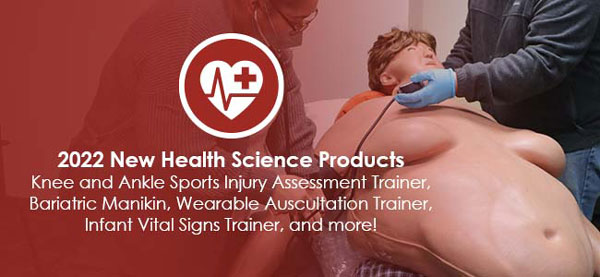
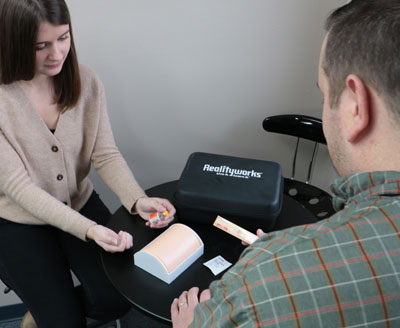
Hands-on practice of assessment and treatment skills is essential for many reasons. As we discussed in this blog, breaking up lecture with hands-on practice will keep the attention of your students. By incorporating a variety of hands-on learning aids, you’ll keep your students engaged and give them a variety of opportunities to practice key skills.
Don’t forget to make time for reflection after any hands-on simulation experience. By providing time for students to reflect on their experiences, you can identify gaps in knowledge, review objectives and encourage students to consider what they would improve or change next time.
Strategy #3: Use a variety of effective teaching methods
For some educators, the idea of embracing new technology and teaching styles to provide a variety of learning opportunities can be daunting. However, adaptation is vital to be an effective 21st century educator. It can help transform your students’ education — and help them be that much more successful in their careers.
Consider surveying your students at the beginning of each new class to determine their preferred learning styles, then take steps to incorporate those styles into your teaching methods.
Bonus: Looking for more information specific to teaching styles in EMS instruction? This article offers an easily digestible summary of the different styles of teaching available to EMS educators.
Resources for learning more
Looking for more information on teaching strategies, whether you teach EMS courses or other health care topics? Consider these resources:
- Get even more teaching strategies from a seasoned EMT instructor in this blog: “5 Effective Teaching Strategies for EMS Instructors”
- Get tips for using simulation-based content and integrating simulation into lesson content to engage students by reading this blog, “Designing simulation-based lessons in a post-COVID world“
- Explore all of the hands-on learning aids and resources we offer in our 2022 Health Science Product Catalog