The idea of using simulation in a Health Science course is not new. But in today’s evolving educational space, where your learning environment may include students in a classroom or may be a virtual, e-learning setting, tools like skills simulation kits can be a successful method for helping students master key skills – especially with a little creativity.
We specialize in developing simulators and models focused on student engagement, interactive learning and, in the case of our healthcare line, patient-centered care skills. This past winter we launched five health science skills simulation kits. Two are for CNA programs and three are for RN-level nursing programs. Each kit includes three patient simulation scenarios based on INASCL Standards of Best Practice. Using the instructions and materials in each kit, users can play the role of the healthcare provider as well as the patient. Each kit is also equipped with pre- and debrief activities, instructions and our own interactive learning aids.
Today’s evolving educational space requires educators to use a variety of teaching methods. Here are 3 ways you can use our health science skills simulation kits in your learning environment.
In a classroom setting
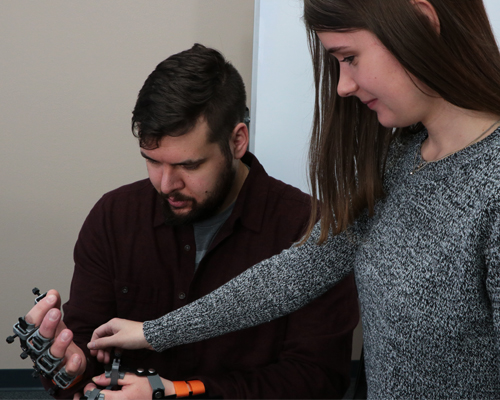
Select a single patient scenario and assign it to two students. Have the students gather the items from the kit and the additional pieces detailed on the kit’s environmental prop list. Determine who will be the healthcare provider and who will be the patient. Have the students act out the scenario, then switch places and act it out again. Instruct them to work together through the included reflection activities. Together, they’ll discuss what was successful in the scenario and how they could improve upon this in real-world situations.
In a remote learning environment
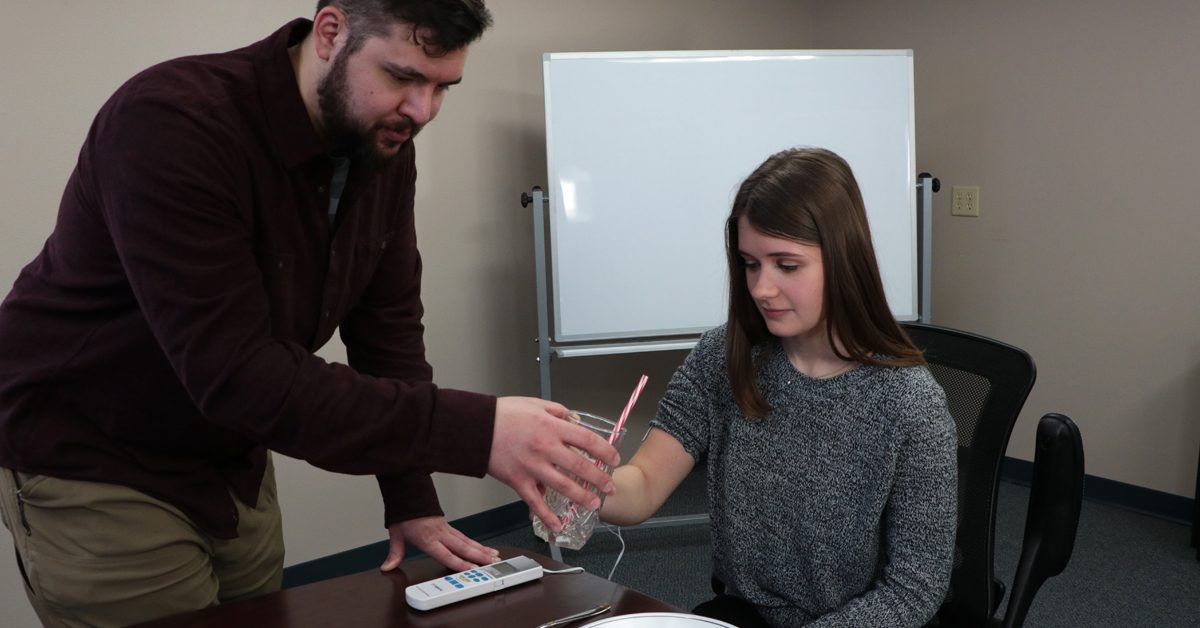
In this case, the instructor would use another individual, such as a family member also at home with them, as an “assistant.” (Because each kit includes detailed step-by-step instructions, it’s easy for someone who is unfamiliar with the coursework to assist.) Gather the items from the kit and from the kit’s environmental prop list, then record you and your assistant acting out the scenario. Post the video along with reflection questions. Then, have your students respond via email or your school’s LMS system on what was successful and what could be improved upon for future situations.
Another option is to loan your simulation skills kit to your students for use with their own “assistant.” Check the kit out to a student and have them act out the scenario with a family member also at home with them. Instruct the student to record their scenario. Then, have them share their video with you along with their answers to the debriefing questions. (Again, the kit’s detailed step-by-step instructions make it possible for someone unfamiliar with the coursework to assist the student, and the student is still able to practice and reflect on important skills.)
One important step to remember in each of the above scenarios: Don’t forget to incorporate debrief activities. These enable students to critically think about their performance and how they can apply these skills on the job.
We believe that today’s health science students need soft skills as much as technical, job-related skills. While these health science skills simulation kits were originally designed for in-classroom use, they can still be used to give students a window into real-world patient care scenarios in a remote learning environment.
Learn more about our health science skills simulation kits here.