Sports medicine is a growing pathway for students who are sports fans. These high-demand sports medicine professionals are involved in diagnosing, treating, and preventing sport-related injuries or illnesses. But keeping amateur, collegiate, and professional athletes in peak physical form requires both technical and soft skills.
In a recent webinar, Realityworks Product Manager Denise DuBois shared numerous engaging resources for sports medicine classes. Keep reading to see her recommendations for teaching sports medicine classes. You’ll get ideas for equipping sports medicine students with both hard and soft skills.
Soft skills for sports medicine classes
Many experts agree job success comes from having well-developed soft skills. Key soft skills for the sport medicine pathway include team spirit, self-confidence, communication, empathy, assertiveness, and personality. Using scenarios and simulations naturally lead to practicing patient communication.
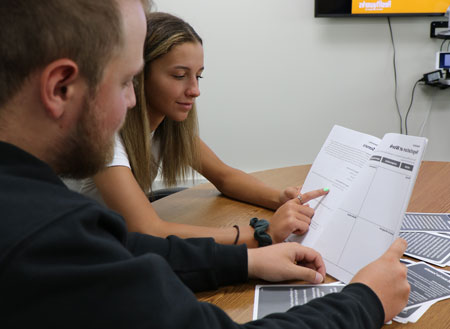
Activity: Scenario-based learning gives students something to remember; it provides a safe zone to make mistakes and provide corrective feedback, and it leads to problem solving and critical thinking. Use this Teamwork scenario and Time Management scenario from Realityworks’ Sports Medicine Career Scenario Cards to jump-start the soft skills conversations.
Resources: Ask industry experts, local businesses leaders, colleagues, family members, and even students to write scenarios from their own experiences exposing students to varying workplace experiences.
Technical skills for sports medicine classes
Knowledge of the techniques needed to compete in the sports medicine profession is critical. Hands-on practice can save time and check off essential skills before patient interaction. Classroom simulation tools provide the experience and activities to give students confidence for real-world practice.
Activities: Students can participate in simulation training such as Sports Medicine First Aid, Airway Skills, and Taping and Wrapping. No simulators? With low-cost bandaging supplies students can practice with peers or family members. Check out Denise’s complete list of activities for teaching skills training.
Resources: Online videos, quizzes and games can benefit many sports medicine courses. Many times, these online resources are easily adaptable to fit a variety of learning environments. Watch Denise’s webinar to see how she proposes modifying lessons for students in an array of learning situations. See the full list of the resources Denise discusses in her webinar.

Training tools for sports medicine classes
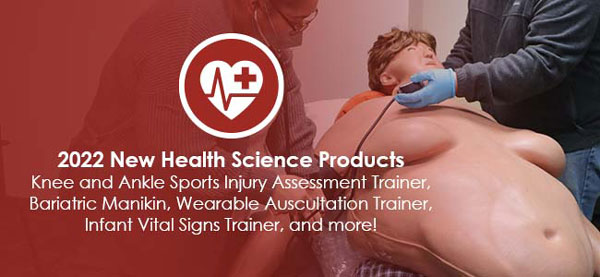
From BVM Ventilation education to treating concussions to assessing common knee and ankle injuries, check out Realityworks’ sports medicine learning tools. They not only provide hands-on practice and critical skill development, but come with comprehensive curriculum, including pre- and post- assessments, presentation slides, and student activities.
Learn more
- Help your students hone the soft skills they’ll need to succeed in sports medicine careers by downloading our free guide, “5 Ideas for Incorporating Soft Skills Into Any Classroom.”
- Use our downloadable posters and infographics to generate discussions about a variety of topics related to our skills training tools, including Sports Medicine.
- Read how our Sports Medicine training tools can be used in HOSA competitions in this blog
- See what’s new for Health Science education in our Health Science Program Catalog
- Follow Realityworks on your favorite social media platforms (Twitter, Facebook, LinkedIn, Instagram, Pinterest and YouTube) for other tips and tricks