 As the need for professionals educated in safe and efficient exercise grows, schools across the country are responding by starting new pathway programs for sports medicine careers. In a recent webinar, Realityworks Product Manager Denise DuBois covers essential concepts required in these programs and how to align Realityworks tools and curriculum to jumpstart your courses. Here’s some advice from DuBois on how you can build your sports medicine pathway.
Building a Sports Medicine Pathway
When you start building your sports medicine pathway, there are a variety of starting points and resources to help you. Sports medicine courses are part of the Therapeutic Services pathway along with athletic training, exercise physiology, and physical therapy. Start building your plan of study within this area. You can find an editable Plan of Study worksheet at Advance CTE’s website. This tool can help you organize the classes you’ll need in your pathway’s plan of study.
There are six key elements to keep in mind when developing an effective sports medicine pathway program:
- Build cross-agency partnerships
- Identify industry sector and engage employers
- Design education and training programs
- Identify funding needs and sources
- Align policies and programs
- Measure system change and performance
When designing a sports medicine program, the National Athletic Trainers Association (NATA) website is a helpful resource. They provide an outline for a high school sports medicine course with a list of ideas approved by the NATA Secondary School Athletic Trainers’ Committee to pick and choose from. Their outline includes 15 different units and describes specific terms, concepts, and applications for each unit.
The National Consortium for Health Science Education (NCHSE) is another great resource for designing sports medicine programs. Their standards offer a clear and consistent awareness of industry and postsecondary expectations for health science instructors and students. They’re created to provide the necessary knowledge common across health professions. These standards are meant to train students, making them college and career ready. The standards provide measurable accountability, a comprehensive curriculum framework, and validation on a timely basis.
You can also explore Common Career Technical Core Standards for Health Science. This includes general Health Science cluster standards as well as standards for each of the five pathways within health science. They have specific, measurable performance objectives that you can apply to the pathway you’re developing, ensuring you’re teaching the basic core competencies in your sports medicine classes.
To engage employers, consider building a health science advisory council by inviting 5 to 10 industry professionals from a variety of settings and responsibility levels to participate. This is the best way to know what local employers are looking for in health care professionals. The council should meet several times each year and focus on what employers are looking for. This can help ensure you’re teaching the right things in your sports medicine pathway and gives you the opportunity to form partnerships for guest speakers, field experience, and job shadowing.
When aligning policies and programs, seeking industry-recognized certifications is key. Find out if your state department recommends a specific certification or testing agency and ensure your instructors are licensed to teach courses for sports medicine careers. Districts often require that their career pathways lead to certifications or credentials. If you are starting a new program, research what to do to get your students properly certified.
Curriculum
Curriculum is the backbone of an effective plan of study. What you teach is just as important as how you teach. Realityworks can help you design your sports medicine courses with the tools and curricula we offer.
Realityworks has up to 83 hours of sports medicine course content covering topics such as environmental factors in sports medicine, traumatic brain injuries, sports nutrition, and more! Each of these topics integrates soft skills like patient empathy and communication into the lesson along with specific healthcare skills. Once you understand the content that’s available, you can start to figure out how you can blend it into your Plan of Study classes. All this content comes with curriculum created by educators for educators with step-by-step instructions, assessments, slide presentations, and ready-to-use activities to make it easy for you to use in your program plans.
In addition to sports medicine content, we have an Employability Skills Program that teaches 20 different soft skills with up to 30 hours of content. This can be used in any career pathway including a sports medicine program. Each lesson is focused on one specific skill and can be taught individually. We also have a Leadership Soft Skills Program with up to 26 hours of content that focuses specifically on the soft skills that make good leaders.
Hands-On Resources
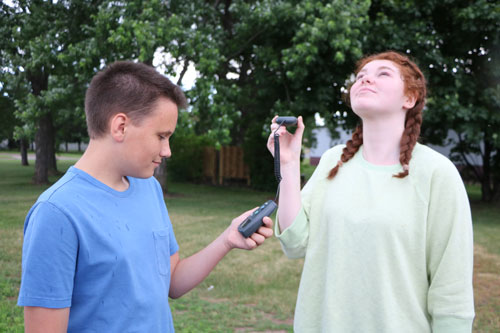
Realityworks has a variety of simulators and task trainers that give students the opportunity to apply what they’ve learned. These tools provide hands-on learning of transferable career skills and foundational knowledge they will use in their careers. Some examples of learning aids that can be applied to sports medicine programs include:
- Our Environmental Factors in Sports Medicine Kit (pictured above)
- Our Rehabilitation and Modalities Scenario Kit
- Our Taping and Wrapping Skills Sim Kit
These trainers and simulators make the content you’re teaching more memorable for students. You can then apply these tools to your plan of study by using them in the courses you’ve outlined.
Resources for Learning More
Want more resources for your health science and sports medicine classes? Consider these free options:
- These program implementation resources include recommendations for learning aids plus ideas for getting started
- Check out our free one-week units on sports medicine and therapeutic service career exploration
- Watch our complete webinar, “Starting a New Sports Medicine Pathway Program,” on-demand anytime: