 As we discussed in a recent webinar, scenario-based learning is great for aiding in active learning for skilled trades. You can use this learning style to teach technical and soft skills by asking students how they would handle real–life situations they may come across in their skilled trades jobs or recreating the scenario in class. Most importantly, scenario-based learning builds on students’ foundational skills and validates what they’ve learned in their lessons all while improving their critical thinking skills!
How To Build a Scenario
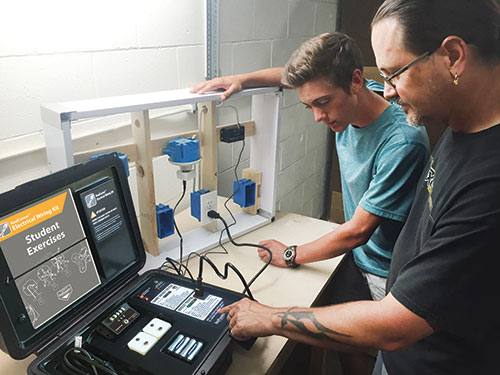
Identify Goals
To begin crafting your scenario, start by figuring out what you want the student to learn. This is a great time to employ SMART goals; you want the goal to be specific, measurable, attainable, relevant, and time-based. To be specific, ask yourself what skills you want the students to learn from the exercise – technical skills, soft skills, or both? Having a measurable goal means you’ll know when the goal is accomplished; this can be done by going through a checklist of skills and behaviors you want the students to learn at the end of the scenario.
You’ll also want to assess the knowledge and skill level of your students to ensure the goal you have in mind is attainable for them. To keep the goal relevant, make the scenario as realistic as possible using modern tools and processes. Finally, make sure the exercise can be finished in a specific timeframe.
Define Intended Outcomes
The next step is taking the goals you identified and defining them. Let’s say our goal is for the student to understand their job when receiving communication about troubleshooting procedures from a supervisor. One of the outcomes is the goal itself as it’s a soft skill that determines the student’s capability to communicate and problem–solve. A second outcome may be for the student to communicate their knowledge of troubleshooting and a third could be using critical thinking to overcome barriers within the scenario.
Make a Critical Action Checklist
A critical action checklist will help you determine if the student has learned the technical skills present in the scenario in addition to soft skills. It gives both you and the student a guide for the scenario as it will explain to the participant exactly what is expected of them. The skills listing of industry–recognized certifications for in-demand skilled trades is a great tool to use when creating your checklist.
Create the Scenario
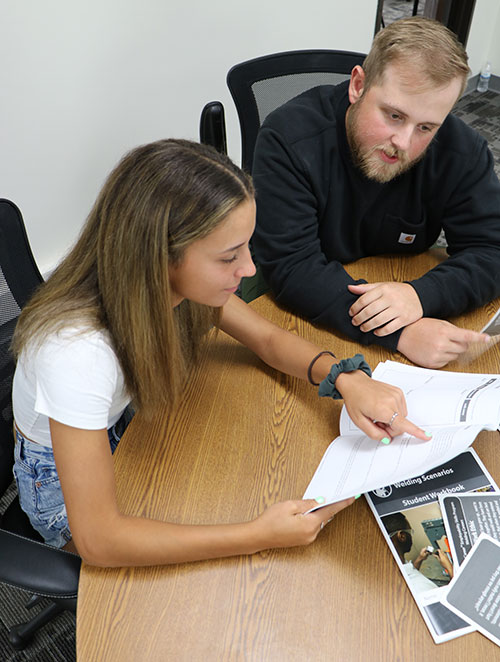
The best place to start when crafting your scenario is the beginning! Will your scenario start at the beginning, middle, or end of the workday? Once you have the starting point figured out, you can then add in all the key elements you need to complete the previously identified goals.
Next, gather any equipment or supplies required to make your scenario as realistic as possible. For in-person learning, this could be the tools the student would need on the job. For online learning, this could be video clips or images. You should also recruit participants for the scenario which could be as simple as assigning other students as partners to work with.
Finally, determine when the scenario will end. Is it complete after a certain amount of time or once the student accomplishes all the actions on the checklist?
How To Craft Your Scenario’s Narrative
The more realistic your scenario is, the more it will help the student prepare for their skilled trades of interest. You can even get story ideas from the students themselves by asking them about challenges they’ve faced or seen others handle when interning or job shadowing. Inspiration can come from books, articles, and websites but you can also do it yourself! Realityworks offers free scenarios within our curriculum to get you started with inspiration from lesson plans and the skills taught in them.
However, if you’re not much of DIYer, you can always ask people from the industry in your local community. Let them know you’re working on a class project and could use some assistance coming up with real world scenarios involving technical and soft skills. Any colleagues or family members who have worked in business or industry would also be great resources.
Wrapping up Your Scenario Exercise
Debriefing at the end of a scenario is arguably the most important part of the process. It tells you how well the scenario was implemented, how effective it was, and if there are any issues that should be addressed going forward.
Here are some examples of questions you can ask students during the debriefing process:
- What went well?
- What was the most meaningful part of the exercise?
- Would you do anything different next time?
- What was helpful?
- What are opportunities for improvement?
Learn More
Looking for more trade skills resources? We suggest:
- Our free one-week unit on skilled trades jobs
- This free infographic on skilled trades
- Our free skilled trades implementation guide
- Our complete on-demand webinar, “Using Scenario-Based Learning to Teach Critical Technical and Soft Skills Needed in Skilled Trades”