 An Introduction to Skilled Trades course gives students the chance to explore careers in construction, manufacturing, welding, electrical work, and other high-demand fields. Before they ever step into a shop or onto a jobsite, they need hands-on opportunities to build confidence with essential trade skills.
From reading a tape measure to practicing workplace communication, these early experiences help students build both technical abilities and professional habits. The right learning tools make those lessons more engaging, memorable, and meaningful.
Whether you’re launching a new course or refreshing an existing one, these tools can help bring foundational trade skills to life.
Teach Foundational Welding Skills with the guideWELD® VR Welding Simulator
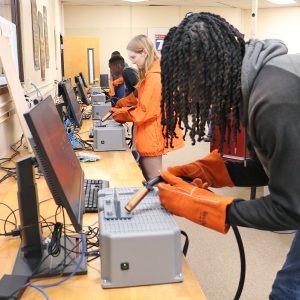
For students who are new to welding, confidence can be just as important as technique. A virtual welding simulator allows them to practice foundational skills before working with live equipment, without the pressure of sparks, heat, or material waste.
The guideWELD VR Welding Simulator provides real-time feedback on work angle, travel angle, travel speed, arc distance, and weld straightness. By the time students step into the welding booth, they’ve already practiced the movements and techniques they’ll continue to build on.
Teach Measurement Accuracy Across Trades Pathways with the Measurement Math Training Kit
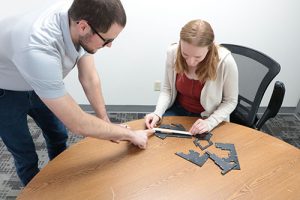
Accurate measurement is one of the most important skills students will use across the trades. From construction and welding to electrical work and manufacturing, accuracy impacts both quality and safety.
The Measurement Math Training Kit helps students connect classroom math to real-world applications through hands-on practice. With more than 250 measurement activities, students build confidence reading rulers and tape measures, working with fractions and decimals, and making conversions they’ll use on the job.
Teach Electrical Concepts Through Hands-On Practice with the Electrical Wiring Kit
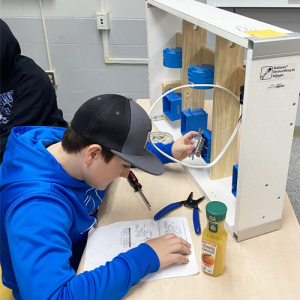
Introducing electrical concepts early allows students to explore another skilled trades pathway while reinforcing the importance of safety and proper procedures.
Our Electrical Wiring Kit lets students wire common residential components in a structured classroom environment. Immediate feedback helps them understand not only whether a circuit works, but also why, building critical-thinking skills and a stronger understanding of electrical systems.
Teach Weld Inspection and Quality Control with the Weld Defects Classroom Kit
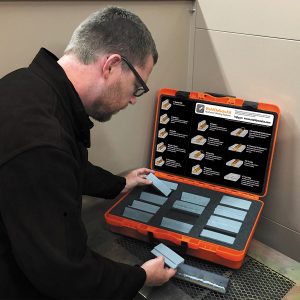
Learning how to recognize a quality weld is just as important as learning how to make one. Understanding what causes defects helps students develop stronger technical knowledge and inspection skills.
With our Weld Defects Classroom Kit, students examine examples of quality welds alongside common defects and their causes. As they compare different welds, they gain a better understanding of how technique, machine settings, and preparation impact weld quality.
Teach Workplace Readiness and Professional Skills with Career Scenario Cards for Skilled Trades
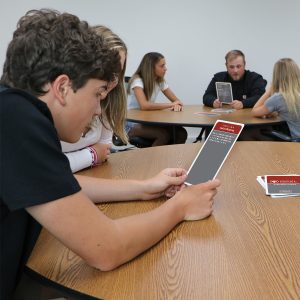
Technical skills may open the door to a career, but employability skills help students succeed once they’re there. Communication, teamwork, professionalism, and problem-solving are essential in every skilled trades environment.
Our Career Scenario Cards for welding, construction, manufacturing, and electrician pathways present realistic workplace situations students may encounter on the job. Whether used for discussions, reflection activities, or small-group work, the cards help students connect classroom learning to real-world expectations.
Build Skills and Confidence from Day One
An Introduction to Skilled Trades course is about more than learning tools and techniques. It’s about helping students explore careers, develop workplace confidence, and build skills they’ll carry into future coursework and the workforce.
Hands-on learning gives students the opportunity to practice, make mistakes, ask questions, and improve along the way. Whether they’re refining welding techniques, strengthening measurement skills, exploring electrical concepts, or discussing workplace scenarios, these experiences help students see what’s possible and build confidence in the pathway that’s right for them.
Visit our website to discover more!