 Agriculture is a field built on doing. While textbooks provide an important foundation, many agricultural concepts come to life when students can experience them firsthand. Whether they’re exploring math, animal anatomy, plant science, or food systems, hands-on learning helps connect classroom lessons to the real world.
Hands-on learning also gives students opportunities to ask questions, solve problems, and build confidence along the way. Whether they’re considering a future in agriculture or simply building a strong foundation, these experiences can make learning more engaging, meaningful, and fun.
If you’re looking for hands-on learning tools to help students explore the basics of agriculture, here are a few ideas to get you started.
Bring Animal Science to Life
Understanding animal anatomy helps students learn how livestock grow, function, and stay healthy. In a Principles of Agriculture course, students can explore topics like body systems, digestion, reproduction, and the role of cattle in agriculture.
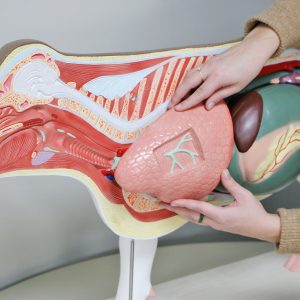
Realityworks’ Cow Model gives students a hands-on way to explore both internal and external anatomy. By seeing how these systems fit together, students can better understand complex concepts and connect classroom learning to real-world animal science and livestock care.
Make Agricultural Math Meaningful
Math shows up in nearly every area of agriculture. From measuring feed and supplies to analyzing data and using precision tools, students need strong measurement skills to succeed in hands-on agricultural settings.

The Measurement Math Training Kit gives students a chance to practice measurements, conversions, decimals, and fractions using tools like rulers, tape measures, and calipers. By connecting math to real agricultural tasks, students can see how these skills apply to areas like animal science, plant science, and food systems.
Discover the Building Blocks of Plant Science
Plants are at the heart of agriculture, making plant science an important part of agricultural education. Understanding how plants grow and interact with their environment gives students a strong foundation for exploring topics like crop production and plant-based careers.
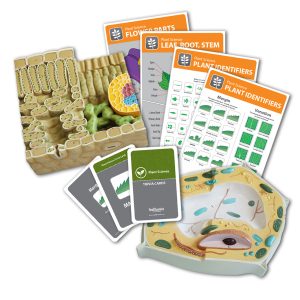
The Plant Science Kit gives students a way to explore plant structures and processes through hands-on activities. Students can investigate plant cells, roots, stems, leaves, flowers, plant identification, and important processes like photosynthesis and transpiration. By observing and exploring these systems, students can better understand how plants grow and why they play such an important role in agriculture.
Explore Poultry Production and Food Systems
Food systems education helps students understand how agricultural products make their way from farm to table. Learning about poultry production, processing, and meat identification gives students a better understanding of how animal agriculture connects to the food they see every day.
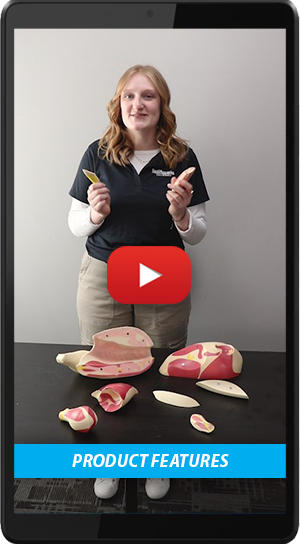
The Butcher Chicken Cut Models give students a hands-on way to explore poultry cuts, anatomy, and processing without working with raw poultry. Students can learn about broiler production and the differences between meat and egg-laying chickens while connecting classroom lessons to real-world food systems and careers.
Introduce Students to Animal Health Careers
Animal health is an important part of agriculture and veterinary science education. Giving students opportunities to explore anatomy, practice handling, and learn basic health assessment skills can help them better understand the role veterinary professionals play in caring for animals.
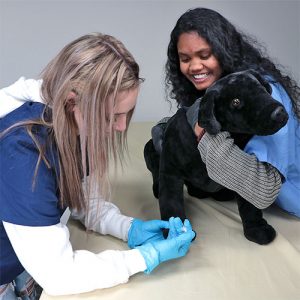
The Canine Vet Trainer gives students a realistic way to practice these skills in the classroom. Students can explore canine anatomy, perform basic health checks, and practice proper handling techniques while building confidence. These hands-on experiences help connect what students learn about animal health to the real-world responsibilities of animal care and veterinary careers.
Support Your Agriculture Curriculum with Ready-to-Use Resources
Realityworks’ Principles of Agriculture Pacing Guide helps instructors connect classroom concepts to the real world of agriculture. Covering topics like measurement, animal science, plant science, and food systems, the guide offers a flexible framework for bringing hands-on learning into the classroom.
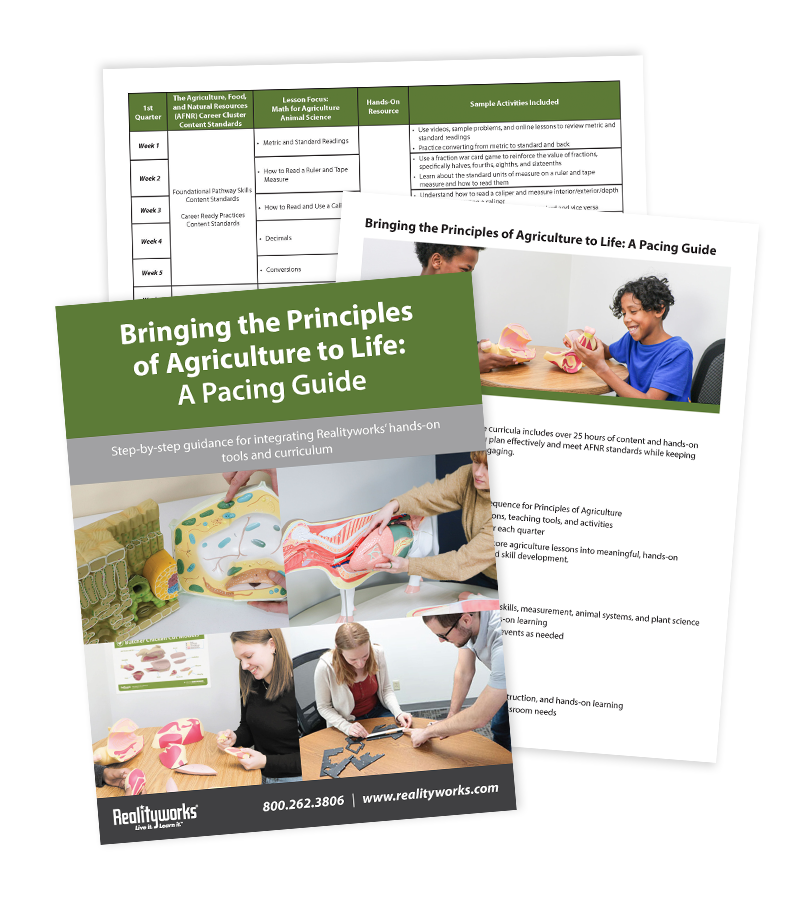
With opportunities to explore, practice, and apply essential agriculture skills, instructors can help students build confidence and see how different areas of agriculture connect to everyday life.