 You can read about child development. Or you can experience it.
For students, concepts like pregnancy, infant care, and developmental milestones can feel challenging to grasp through textbooks and lectures alone. Hands-on experiences offer opportunities to learn by doing, observing, and reflecting, helping students connect classroom concepts to real life.
Whether they’re experiencing the physical demands of pregnancy, caring for an infant simulator, or exploring developmental milestones, students gain a deeper understanding through experiential learning. These hands-on activities can transform complex concepts into meaningful lessons that stick.
Here are five Realityworks solutions that help bring child development concepts to life in the classroom:
Step Into the Experience of Pregnancy
One of the first topics students encounter in child development courses is pregnancy and the changes that occur throughout the experience. The Pregnancy Profile Simulator allows students to experience some of those changes in a meaningful way.

By simulating the size, weight, and movement associated with pregnancy, students gain a new perspective on the physical demands pregnant individuals may experience. Simple tasks like bending, sitting, standing, and moving around the classroom can feel very different.
The experience also opens the door to conversations about prenatal health, maternal wellness, and healthy lifestyle choices.
Explore the Journey of Prenatal Development
Understanding how a baby develops before birth is a key part of any child development course. The Fetal Development Kit helps students visualize that process with realistic fetal models representing different stages of development.

Seeing and handling the models gives students a clearer understanding of how growth occurs throughout pregnancy. As they compare developmental stages, students can better understand how organs, body systems, and physical characteristics form over time.
The kit also supports discussions around prenatal care, nutrition, and environmental influences, helping make these concepts more memorable.
Experience the Responsibilities of Parenting
Reading about infant care is one thing. Being responsible for a baby, even a simulated one, is an entirely different experience.
RealCare Baby gives students a realistic glimpse into the day-to-day responsibilities of caring for an infant. Students respond to needs such as feeding, burping, rocking, and diapering while learning how their caregiving choices affect the baby’s well-being.

Through the experience, students gain a better understanding of the responsibility, time management, and decision-making involved in caring for a child. It also reinforces lessons about infant development and the consistent care young children require.
Build Empathy Through Realistic Infant Care Scenarios
Every infant develops differently, and some children face additional challenges that require specialized care and support. The Quints give students the opportunity to explore these differences through hands-on learning.

The set includes five infant simulators representing different conditions and circumstances that can affect infant development, health, and caregiving. Students can explore topics including abusive head trauma, prenatal substance exposure, fetal alcohol exposure, premature birth, and Down syndrome.
The Quints also create opportunities for important conversations around infant safety, child abuse prevention, developmental differences, and individualized care. Most importantly, these experiences can help students build empathy by encouraging them to consider the experiences of children and families facing these challenges.
Understand How Children’s Needs Change Over Time
Child development doesn’t stop after infancy. As children grow, their physical, cognitive, social, and emotional needs continue to evolve.
The Childhood Stages Simulation Kit helps students explore development from early childhood through adolescence using hands-on activities and simulations. Along the way, students examine how children think, communicate, learn, and interact at different ages.
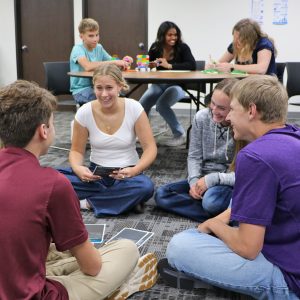
The kit encourages discussions around age-appropriate approaches, learning styles, and caregiving strategies. By connecting developmental theories to realistic situations, students gain a deeper understanding of how children’s needs change over time and how adults can support them at every stage.
Why Experiential Learning Matters
Some of the most meaningful learning happens when students move beyond reading and have the chance to experience concepts for themselves.
Hands-on activities can help students better understand pregnancy, prenatal development, parenting responsibilities, and childhood growth in ways that feel memorable and engaging. They also encourage critical thinking, empathy, and skill development that students can carry with them beyond the classroom.
These tools give educators engaging ways to connect course content to real-world experiences. When students can see, feel, and interact with what they’re learning, child development concepts become more meaningful and easier to understand.
Explore more hands-on learning solutions at Realityworks.com!