 Looking for patient scenario examples and tips on how to make scenario-based learning a success? We have just what you need! Scenario-based learning uses stories or patient cases to immerse students in real-life situations. Patient scenarios can make classroom learning engaging and memorable when real-life practice isn’t an option.
In a recent webinar, Emily Kuhn, Realityworks Senior Campaigns Specialist, and Karen Edwards, Sports Medicine Instructor, discussed ways to use scenarios to engage students in your health science program. Here is some of the advice they shared — as well as two free patient scenario examples you can download immediately.
What Elements Should I Include in My Scenarios?
Context
Every good scenario needs the right amount of context. Context is the details the students need to understand the scenario. Providing the right amount of context is a balancing act. If you don’t have enough, students won’t understand what is being asked of them. If you have too much, students will get lost in the details. To ensure your scenario has the right amount of context, ask one of the other teachers in your health science programs to work through your scenario and provide feedback.
Decision-Making Points and Clear Learning Outcomes
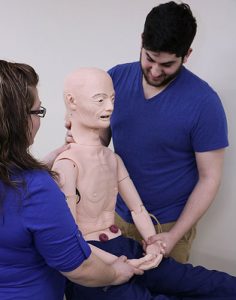
It’s important that the scenario requires the students to make decisions. Without this piece, the scenario is pointless, and students will lose interest. Clear learning outcomes are also needed to keep you moving in the right direction and ensure your scenario aligns with the goals of your health science programs.
When Should I Use Scenarios?
You should use scenarios after foundational knowledge is established. Students need a basic knowledge and skill level about your scenario topic before they can fully understand its context. Scenarios are best used when you want to test your students’ decision-making skills. They give students practice verbalizing why they make certain choices and allow you to reinforce the right decisions as well as redirect when needed.
What Types of Scenarios Should I Use?
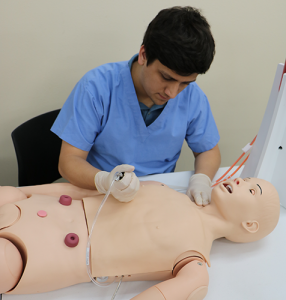
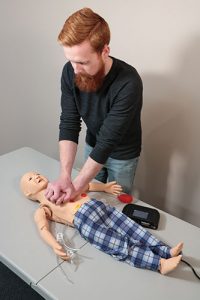
There are two types of scenarios students in your health science programs should be exposed to before putting their skills to practice in the real world. The first is the rare instances that they won’t likely come across in a clinical setting, such as a code situation that requires a student to perform CPR. This ensures that students will be prepared when they come across these situations in real life.
The second type of scenario your students should work through is the critical, high-frequency situations that all students must master, such as administering medications. This prepares students for scenarios they’ll need a lot of practice with as students will likely encounter them often in their careers.
What Type of Media Should I Use?
Mix it up! Scenarios don’t always have to be a written case study or high-fidelity simulation. If you’re introducing a patient case, you can record first-person audio of the patient to make the patient more real to the students and get them more engaged in the activity. Bring even more life to the hypothetical patient by providing a photograph of them to go along with their voice recording.
To add a video element to your scenario, you can have your tech-savvy students film their response to the scenario, rather than write it down. You could also record a video to introduce your scenario. Remember, these videos don’t need to be of movie quality; a simple cell phone video can get the point across and grab students’ attention.
Should I Make My Own or Purchase Ready-to-Use Scenarios?
Whether you should make your own or purchase scenarios really depends on you and your health science programs. Creating your own scenarios is time consuming, but you’ll have scenarios made specifically for your course and learning objectives. Purchasing ready-to-use scenarios is convenient and lightens your workload. If you do decide to purchase scenarios, you can always tweak them to align more with your specific program goals.
Don’t have time to make your own scenarios? Check out our Medical Manikin Quick Scenario Set, which includes 100 ready-to-use, patient scenario examples that cover a variety of patient ages, care environments, and soft skills.
Ways to Include Scenario-Based Instruction
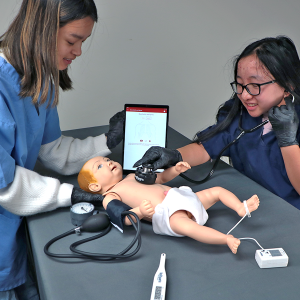
You can include scenario-based learning in your classroom through modeling, problem-solving teaching, metacognitive strategies, and Socratic seminar.
Modeling
When you use the modeling method, your scenarios should be clear and concise, allowing students to follow your train of thought. Walk students through a case study from your personal experience or any scenario that you can fully explain the answers to. For example, Edwards walks her students through a highly unusual baseball injury that she treated.
Problem-Solving Teaching
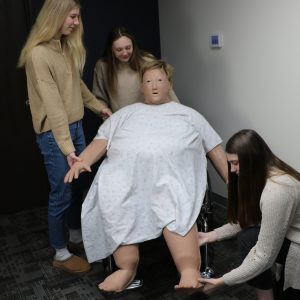
In this method, you start by modeling a scenario. Then, you introduce a problem in the scenario and have students discuss amongst themselves. Let the students really struggle before helping them find the solution. This helps learners build their critical thinking skills.
Metacognitive Strategies
Metacognitive strategies help students develop an awareness of their own learning through think-pair-shares, turn and talks, and think alouds. This method works even better alongside problem-solving teaching, and you can switch up the techniques based on students’ needs.
Socratic Seminar
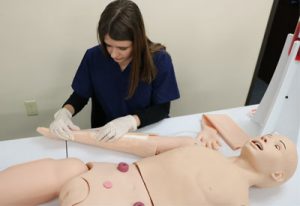
While effective, this method can take some time to set up. There are two versions you can choose from: fishbowl and circle of paired chairs. In both methods there are two circles of students. In the fishbowl method, the students in the inner circle work through a scenario and the students in the outer circle observe. For the circle of paired chairs method, the inner circle discusses a question about a scenario for a minute or two. Then, those in the inner circle rotate to discuss the next question with someone from the outer circle.
More Resources
- Access our free, ready-to-use patient scenario examples
- Learn more about using scenario-based learning for career exploration here
- Watch the full webinar on demand to learn more about scenario-based learning and how you can implement it in your classroom