 Searching for ways to save time during your animal agriculture courses? These classroom kits might be just the tools you’re looking for. Each out-of-the-box kit offers engaging, hands-on content focused on introductory animal concepts. Here are seven ways these agriculture education kits can save you planning time.
1. Robust, Ready-to-Use Curriculum
Each animal agriculture kit includes standards-based curriculum. You’ll find seven lessons that address:
- Breeds
- Feeding and management
- Diseases and parasites
- Reproduction
- Body systems
- Selection and judging
- Career exploration
Whether you need a complete unit or just a few activities to help students focus and learn, these kits will help. The full curriculum offers seven hours of instruction from start to finish, or you can pick and choose which lessons and activities work best with your course. Each lesson includes a slide presentation, student activities, and pre- and post-assessments.
Check out the curriculum overview and sample of our Sheep Kit for a closer look.
2. Breed Identification Flashcards
Want a fun and easy review activity that’s ready to go in a flash? These animal agriculture kits offer just that with five sets of breed identification flashcards.
Each card has an image of a popular breed on one side and identifying characteristics on the other. Test students’ knowledge by asking individuals to volunteer answers or spark their competitive side with some friendly team-based competitions.

3. Animal Agriculture Informational Posters
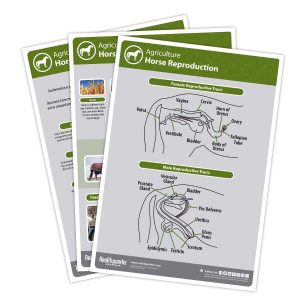
The kits include two informational posters about the animal’s care needs as well as what to look for when selecting and judging the animal. The horse, cat, and swine kits also come with a third poster on the animal’s reproductive system. Dog Kit comes with a fourth poster on careers in the canine industry.
These posters eliminate the need to gather all this information and find a nice way to present it to your class. Simply hang them up in your classroom as a visual reference for students to study when learning about these topics.
4. Disease and Parasite Trivia Cards
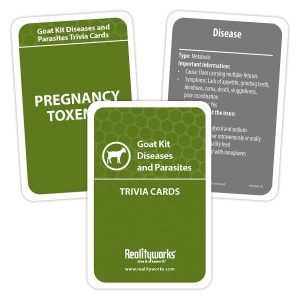
When teaching about common diseases and parasites, there’s a lot of material to cover. Each animal agriculture kit includes disease and parasite trivia cards with information on the type of disease or parasite that’s listed as well as the cause of illness and what symptoms the animal will have.
Divide students up into small groups, each with their own whiteboard, for a fast and fun disease and parasite review competition.
5. Tools For Teaching Animal Reproduction
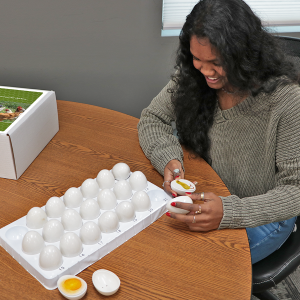
Most of our animal agriculture kits also come with an additional hands-on tool for teaching units on animal reproduction. The Beef Cattle Kit comes with a reproductive organ and guide to help students visualize what the organ looks like. Our Chicken Kit features a chicken cycle exploration set, letting students see exactly what a chick looks like at different stages of development. The goat and sheep kits come with gestation calendar wheels for calculating key reproduction-related dates, making it easier to understand their reproduction timeline.
6. Animal Agriculture Whiteboards
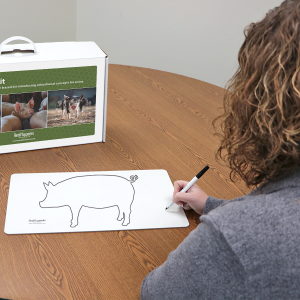
Tired of redrawing a cow or pig every time you show students a different body system? Each kit includes five whiteboards with the animal’s outline already printed on them. Students can familiarize themselves with the animal’s body by illustrating the animal’s skeletal, muscular, or digestive system on the boards.
7. Career Exploration Opportunities
The curriculum in every kit includes a lesson on animal agriculture career exploration with a graphic organizer. Students can use the graphic organizer to research a career related to the animal the kit focuses on. Students must find information on any degrees or licenses they need to get in that field and how much time it will take to earn them, average starting salary, job outlook, and more. Simply print out as many organizers as you need and distribute them to the class for a quick research activity that gets students thinking about their future.
Learn More
Looking for information on engaging students in your agriculture class? Consider these:
- Learn how one agricultures teacher uses videos to boost student engagement in this customer story, “This TikTok Teacher Is Using Videos to Engage Agriculture Students – And It’s Working”
- Discover more agriculture learning aids you can use for career exploration with this blog, “11 Agriculture Learning Aids for Middle School Career Exploration”
- Check out more tips and tricks for engaging agriculture students in this blog, “5 Ways to Engage Today’s Agriculture Students”