 Health science classroom engagement is key to preparing students for real-world healthcare careers. In our recent webinar, Creative Ways to Engage Your Students with Realityworks Health Science Resources, we explored hands-on tools for boosting participation and retention in health science programs. This blog recaps the top takeaways and showcases engaging activities that can bring your health science classroom to life.
Embracing Older Adult Care
When it comes to healthcare, it’s not just about knowing the technical skills to care for the patient. It’s about being able to empathize with them and understand their condition. This can be especially difficult when it comes to caring for seniors, as many of our students are teenagers and young adults who really struggle to imagine the limited mobility and sensory impairments that challenge older adults.
As a solution, wearable simulators and manikins can help students build empathy and technical skills while increasing health science classroom engagement. Wearable simulators in particular offer realism while protecting privacy and can be used to teach both technical and interpersonal skills.
Geriatric Simulator
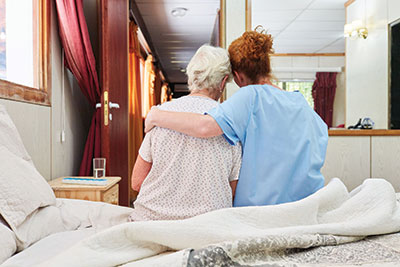
The Geriatric Simulator boosts health science classroom engagement by enabling users to experience visual impairments, restricted range of motion, decreased mobility, and more firsthand. This award-winning simulator helps students develop empathy toward older patients and individuals with limited mobility.
The simulator’s curriculum features 10-15 teaching hours and covers eight topics, like exploring geriatrics and gerontology, visual impairment, and declining mobility due to aging. The curriculum comes with presentation slides, student activities, and assessments.
See the complete curriculum overview here.
Geriatric Sensory Impairment Kit
The Geriatric Sensory Impairment Kit includes hearing impairment, arthritis, and tremor simulators to help students understand common sensory challenges older adults face. Users can experience simulations of tinnitus, high-frequency hearing loss, and dementia-related confusion.
The kit comes with a curriculum that boasts 7-13 hours of teaching content. The curriculum contains four lessons on topics like hearing loss and impairment, the impact of aging on bones and joints, and understanding tremor in the elderly. Additionally, it aligns to various standards, including the National Health Education Standards.
For a health science classroom engagement activity, use this Arthritis Experience Chart from this kit’s curriculum. Have students help each other tape their non-dominant hand’s thumb and index finger together as well as the three other fingers of their dominant hand. Students should attempt the tasks on the chart with their taped hands and reflect on their experience.

Geriatric Nursing Manikin
The Geriatric Nursing Manikin allows students to practice over 15 basic nursing functions, such as oral and nasal feeding and suctioning, trachea care and cleaning, and mouth cavity care. The life-size manikin also comes with interchangeable male and female chests and genitals.
This manikin’s curriculum features five to seven hours of content spread out over five lessons. Lesson topics include basic patient care, catheterization procedures, and bathing. This curriculum comes with presentation slides, student activities, and assessments.
To boost health science classroom engagement, use this Bathing Check-Off Resource from the Geriatric Nursing Mankin’s curriculum. Create a scenario that fits the bathing scene, prepare the scenario with a pre-brief, and go through the scenario. Conclude with a reflection on the scenario.
Creating Health Science Classroom Engagement Through Simulation
One powerful way to foster health science classroom engagement is through immersive simulation experiences. By incorporating elements like gamification and friendly competition, creating rich patient backstories, and encouraging students to consider patient perspectives, you can transform routine lessons into memorable, real-world learning moments.

Gamification or Competition
To gamify your health science lessons, you can implement role-playing with rewards. Create a medical scenario or use one from our Medical Mankin Quick Scenario Set. Then, assign specific scenario roles to students, such as lead nurse, family member, or patient. Explain everyone’s responsibilities in the scenario and, as they run through the scenario, offer points or small rewards for positive actions and responsiveness to the situation.
Rich Patient Backstories
Have students create their own patient health stories with detailed histories, including emotional dynamics, health issues, emotional responses, and social interactions. They can come up with the patient’s personal background and family connections as well.
Incorporate Patient Perspectives
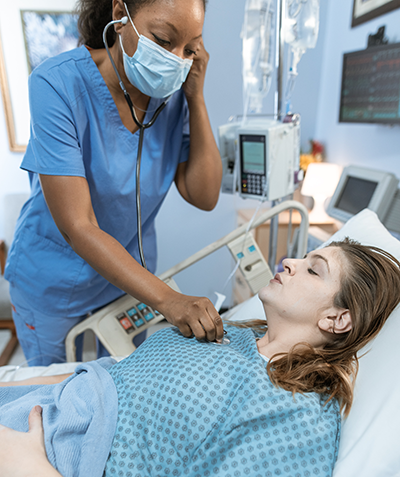
Increase health science classroom engagement by having students interview patients, peers, or family on how they would respond in different medical situations. Ask them how they would address concerns about fears, cultural beliefs, stigmas, communication styles, and professionalism in healthcare career scenarios.
Additional Resources
Learn more about boosting health science classroom engagement with these resources:
- Watch the full webinar on demand to learn about basic skills training tools and more classroom activities for engaging students
- Explore health science program implementation resources to discover curated tools, guides, and materials for increasing engagement
- Explore all our health science learning tools