 Education and training career exploration can help students understand the wide variety of roles that exist across different levels of education. From early childhood and elementary teaching to secondary instruction, administration, and professional support roles, this career cluster offers diverse opportunities to make a lasting impact. In this blog, we’ll break down what students need to know about each level—so you can help them make informed, inspired decisions about their future.
Download the free poster below to illustration education and training career exploration in your classroom.
Education and Training Career Exploration Poster
Early Childhood Education
Most careers in early childhood education require a Bachelor’s degree, although some positions may require less. Professionals at this level typically work in public or private schools or childcare centers. Their job duties include educating and caring for young children who have not yet entered kindergarten. These educators teach basic skills, personal hygiene, and social skills. They create rules for behavior and processes for maintaining order.
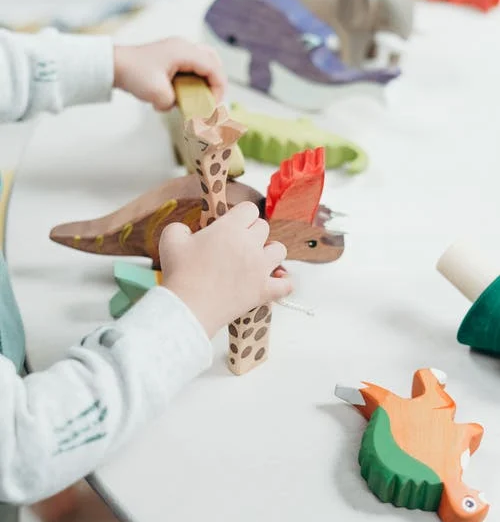
Elementary Education
Elementary education careers also require a Bachelor’s degree and these professionals usually work in public or private schools. Their job tasks include fostering academic, social, and emotional growth for students from kindergarten through fifth grade. They teach reading, writing, math, social studies, and science. Individuals in these careers instruct students independently and in groups through lectures, discussions, and demonstrations.
Lower Secondary Education
Lower secondary education careers typically require a Bachelor’s degree and jobs can be found in public and private middle and junior high schools. These professionals foster academic, social, and emotional growth in students from sixth through eighth grade. They teach one or more core subjects, such as language arts, science, social studies, or math. These professionals are tasked with setting up materials for lessons and monitoring student achievement.
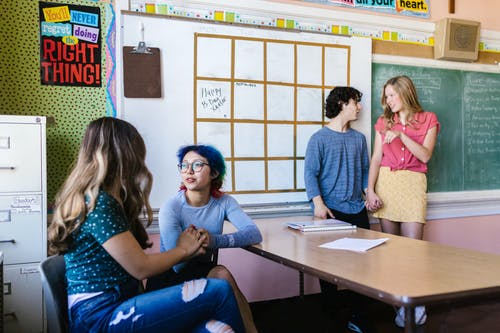
Upper Secondary Education
This education and training career level requires a Bachelor’s degree and jobs are often located in public and private high schools. These professionals foster the same growth in students as the previous education and training career but from ninth through twelfth grades. They teach one core or elective subject as well as sponsor clubs and extracurricular events. Their job tasks include preparing students for later grades and adjusting their teaching techniques to meet students’ diverse needs.
Administration and Administration Support
Many jobs at this level require a Master’s degree, though some positions may require less. These professionals work in public and private schools, where they manage school operations and budget as well as create a safe learning environment. In this career, you may find yourself assisting students with personal, academic, vocational, or behavioral issues. You will also likely have to discuss education activities, policies, and student behavior with parents and staff.
Professional Support Service
Education requirements vary between professional support careers, but the environment is typically a public or private school. This area of education and training includes a wide variety of job titles, such as custodial and maintenance staff, food service, health and student services, paraeducators, security services, and transportation services. These professionals play a vital role in creating safe, supportive, and well-functioning learning environments for both students and staff.
Additional Resources
Looking for more education and training career exploration resources?
- Download our free poster to display an education and training career exploration resource right in your classroom
- Check out our free education and training career exploration lessons
- Explore all our education and training teaching tools here