 Engaging learners is a rewarding and challenging aspect of teaching early childhood education. Engaging students in early childhood education (ECE) is both rewarding — and challenging.
In a recent webinar, Denise DuBois, PMC (FCS Senior Product Manager), and Aubrey Weigel (FCS Department Chair and FCCS Pathway Lead) shared practical, classroom-tested strategies to boost participation, deepen understanding, and make learning more hands-on.
Read on for their top tips and activity ideas you can bring into your classroom.
6 Classroom-Tested ECE Activities
In Weigel’s program, students gain real-world experience through a district-supported childcare center in partnership with the YMCA. They work directly with infants, toddlers, and preschoolers while being mentored by staff.
Alongside these internships, classroom learning plays a key role. Here are six of Weigel’s go-to activities:
1. Fine Versus Gross Motor Skills Stations
Help students experience the difference between motor skill types by rotating through activity stations:
- Balancing challenges
- Cutting with their non-dominant hand
- Completing a puzzle with eyes closed
- Jump rope or hula hoop exercises
Why it works: Students better understand developmental concepts by physically experiencing them.
2. “Fingerprint” Identify Activity
Students fill in a fingerprint outline with personal details they’re comfortable sharing.
- Start by introducing yourself first to create a safe environment
- Use the activity to transition into nature vs. nurture discussions
Why it works: Builds classroom trust while introducing key developmental concepts.

3. Infant Quiet Book Project
A creative, hands-on favorite:
- Each student designs a quiet book page based on a letter of the alphabet
- Includes a chosen theme and interactive elements
- Students draft, then build using classroom materials
Why it works: Reinforces fine motor development concepts for ages 1–3 through project-based learning.
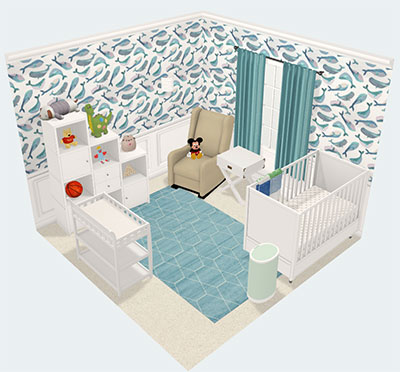
4. Nursery Design Project
A great capstone for your infant unit:
- Students design a nursery with safety and development in mind
- They consider layout, materials, and developmental impact
- Includes a written reflection
Why it works: Encourages real-world application and critical thinking.
5. Bell Work for Structured Learning
Start each class with short, focused tasks:
- Independent, quick activities tied to the current unit
- Helps establish routine and focus
Why it works: Structure is especially valuable for younger learners and keeps transitions smooth.
6. Interview Prep Stations
Prepare students for real-world careers with interactive stations:
- Mock interviews (often with HR staff)
- Resume and cover letter writing
- Practicing handshakes and professional communication
Why it works: Breaks big career-readiness skills into manageable, engaging steps.

Top Hands-On Tools for Teaching ECE
DuBois also shared powerful tools that bring early childhood concepts to life.
Explore all ECE teaching tools here.
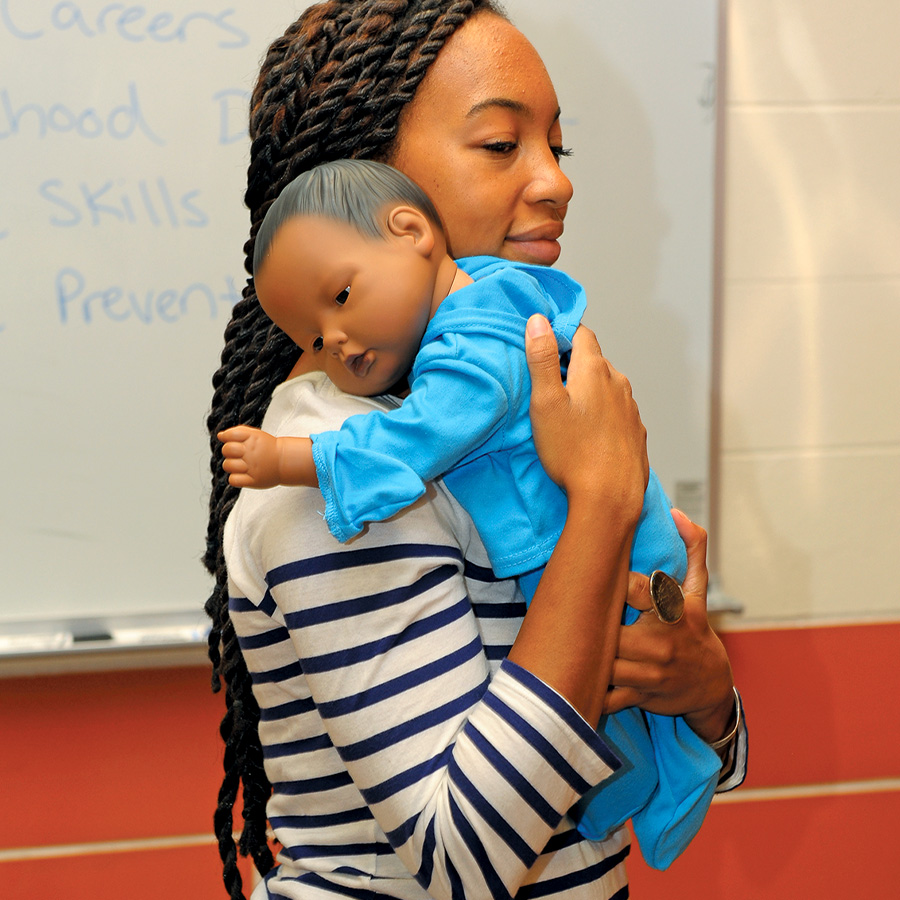
1. RealCare Baby® Infant Simulator
A globally recognized infant simulator (formerly Baby Think It Over®).
Provides realistic caregiving experience
Used for teaching parenting, infant health, and child development
Learn more about RealCare Baby 4 here.
2. Child Care Experience™ Program
An immersive childcare simulation combining:
- Hardware
- Software
- Curriculum
Students gain hands-on practice managing real-world caregiving scenarios.
Watch this video to see it action!
3. Child Care Center Design Kit
An interactive tool to teach classroom layout and environment design.
- Helps students build engaging, effective childcare spaces
- Reinforces best practices in early learning environments
Learn more about this kit here.

4. CDA Scenario Kit
Designed to prepare students for CDA Certification:
- Covers real childcare scenarios
- Focuses on both infants/toddlers and preschoolers
Why it works: Builds confidence and career readiness.
Learn more about our CDA Scenario Kit here
5. Common Childhood Illnesses Baby
A realistic infant model for health education:
- Identify and care for common illnesses such as:
- Pink eye
- Chickenpox
- Hand, foot, and mouth disease
- Ear infections and more
Common Childhood Illnesses Baby features.

Additional Resources
Looking for more ways to bring ECE learning to life?
- Watch the full webinar on demand for more information on these teaching tools and tips
- Check out our free career exploration lessons
- See how you can implement our hands-on ECE learning aids in your classroom here