 Building a veterinary science program that prepares students for real-world careers requires thoughtful planning, effective tools, and alignment with industry needs. In our recent webinar, Starting an Engaging Veterinary Science Pathway Program, educators explored strategies for launching and sustaining a successful program. From hands-on training resources to soft skill development, the session offered valuable insights for anyone looking to strengthen their program. Read on as we recap just a few of the many insights from the webinar.
How a Veterinary Science Program Fits into the Career Cluster Model
In 2024 the career cluster model went through an update to the new framework wheel view. There are 11 clusters and three cross-cutting clusters that fit into any of the main 11. In the new model, a veterinary science program fits within the agriculture cluster. There are six sub-clusters within it that used to be referred to as pathways. A veterinary science program would fall under the animal systems sub-cluster.
As you’re planning your program, you can use an editable plan of study document from Advance CTE to help you. It offers suggested course listings and descriptions for secondary and post-secondary programs. It also helps to explore what other programs look like as you plan out your own.

Veterinary Science Program Courses
Below are two common courses—Small Animal Management and Equine Science—found in many successful veterinary science programs, along with recommended hands-on tools and classroom activities.
Small Animal Management
Small Animal Management introduces students to the care, handling, and health of small animals. Through hands-on activities and classroom instruction, students learn about animal behavior, nutrition, grooming, health management, and common medical procedures—key competencies in any veterinary science program.
Recommended Hands-On Learning Aids
Cat and Dog Kits
The ready-to-use Cat Kit and Dog Kit offer engaging, hands-on lessons about introductory feline and canine concepts, such as breeds, reproduction, and feeding and management. These kits are ideal for introducing students to species-specific concepts in a veterinary science program.

Feline and Canine Vet Trainers
These realistic trainers help veterinary students practice essential feline and canine care procedures in a safe, controlled environment. The male Feline Vet Trainer and Canine Vet Trainer feature moveable limbs for practicing proper restraint and positioning. Students can get hands-on practice with venipuncture, injections, catheterization, and more!

Suggested Activities
Veterinary Charades
Tell participants you are going to play a fun icebreaker game. They will act out common canine behaviors while their teammates try to guess what the behavior is. Divide participants into two equal groups and hand each group a set of index cards with the following terms written on them (one term per card):
- Panting
- Limping
- Broken leg
- Meeting another dog
- Catching a ball/frisbee
- Eating
- Running
Bladder Lecture
Use our free slide presentation that comes with the Canine Vet Trainer to teach students about bladder issues and palpation as well as urinary catheterization. It explains what the bladder does, bladder stones, urinary tract infections, and more.
Get the slide presentation here.
Equine Science
Equine Science explores the care, anatomy, physiology, and management of horses. This course offers hands-on experience and introduces students to equine careers in care, training, and veterinary fields, making it a strong addition to any veterinary science program.
Recommended Hands-On Learning Aids
Horse Kit
Introduce students to core equine science topics with the Horse Kit, a versatile set of hands-on teaching tools designed to support foundational learning. This kit includes detailed visuals, interactive materials, and a standards-aligned curriculum that covers horse breeds, care, feeding practices, and reproduction.

Horse Models
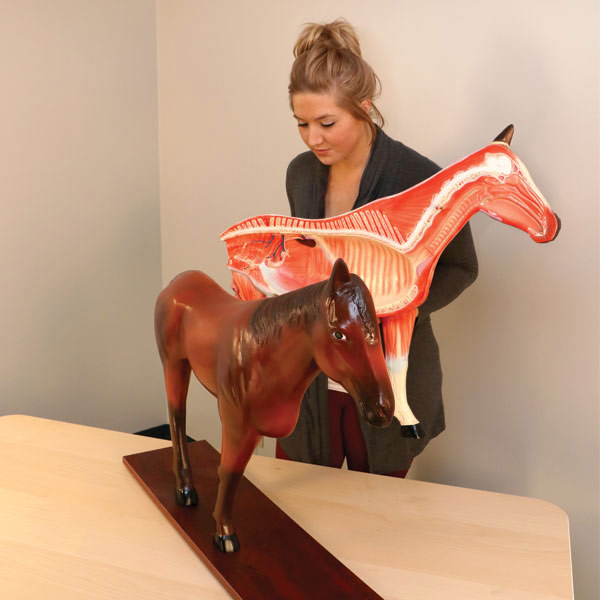
Our Horse Model and Horse Stomach Model are designed to provide in-depth looks at equine anatomy. The models offer hands-on, interactive ways for students to study the stomach and various body systems of horses. With realistic renderings, the models allow students to gain a clear understanding of how the horse’s anatomy functions.
Suggested Activity
You can use the brief Horse Digestive System Quiz in this sample of the Horse Stomach Model’s curriculum as a way to kick off a lesson and see what your students already know. You can also use it to teach a mini lesson by sharing this two-minute video about the equine digestive system. Even if you don’t have an anatomical model, these resources can help you teach students the basics of the equine digestive system.
Additional Resources
- Watch the full webinar on demand to explore more courses, resources, and activities
- Check out our veterinary science program implementation resources
- Access free educational posters on vet science careers, agriculture careers in STEM, and more