Contents
- Model on display stand
- Cross-sectional view of internal and external anatomy
- 11 removable parts
- Quick start guide
- Online access to curriculum, student activities and presentation slides
- 1-year limited warranty
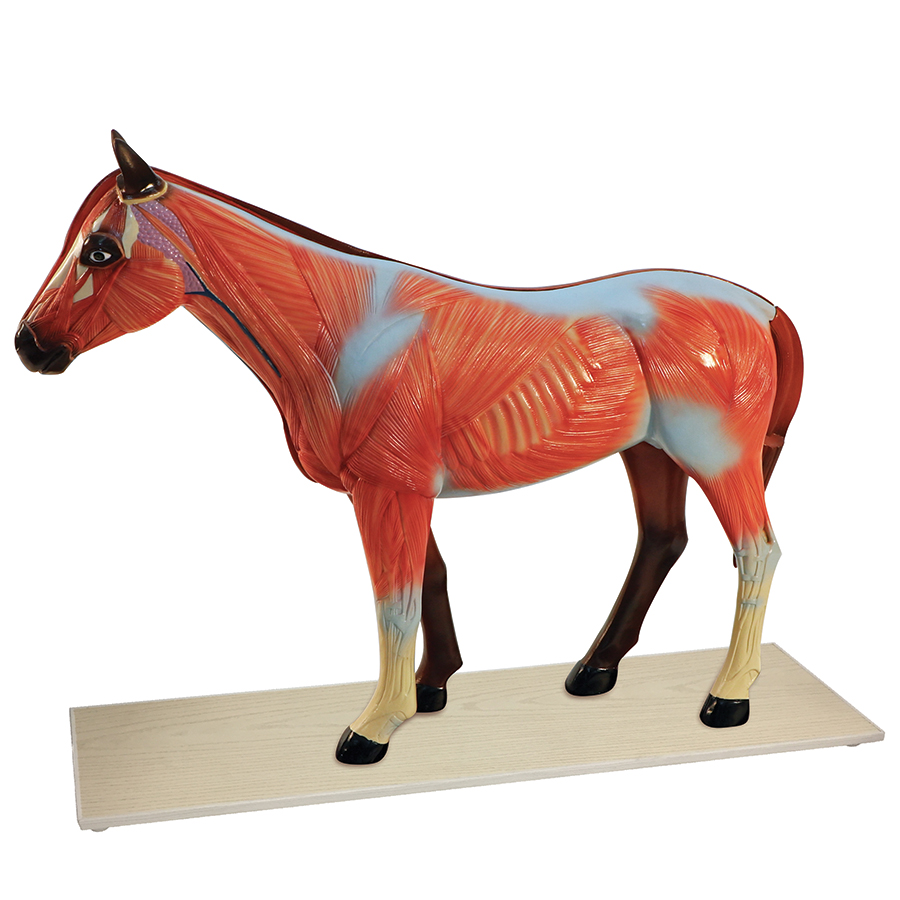

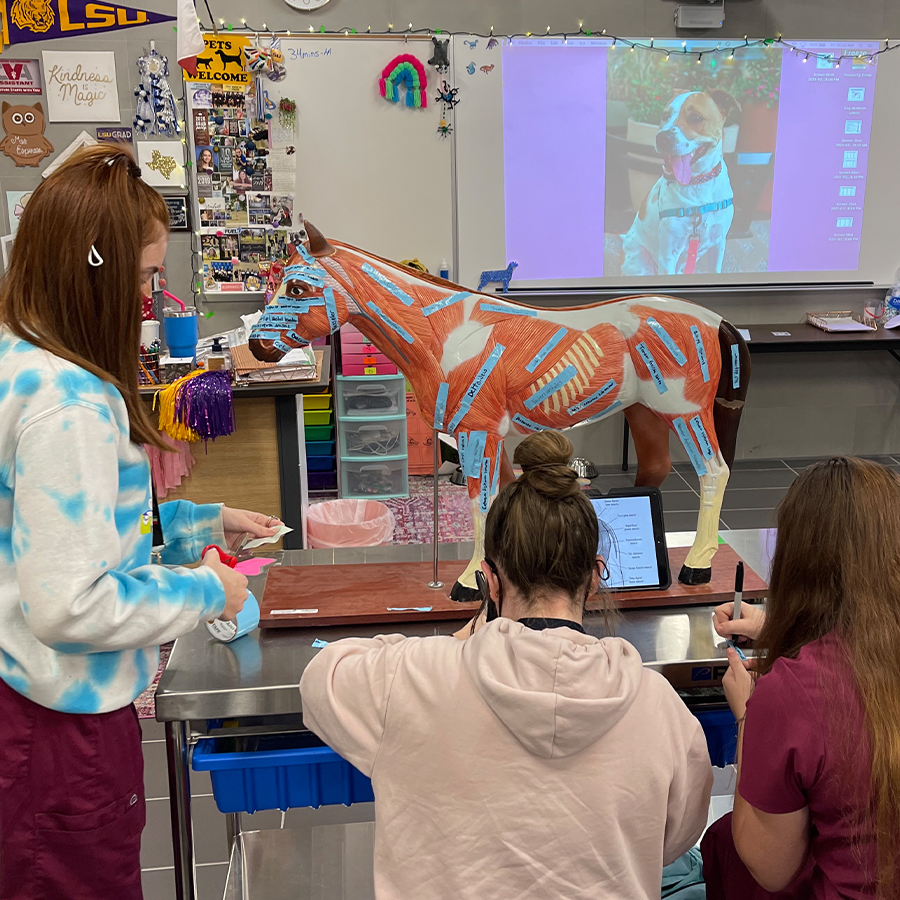


The Horse Model is a lifelike, one-sixth-scale representation of a horse, designed to provide an in-depth look at equine anatomy. Ideal for agriculture and veterinary educators, this model offers a hands-on, interactive way for students to study the muscular system and internal structures of horses. With its realistic renderings, the model allows students to gain a clear understanding of how the horse’s anatomy functions, both externally and internally.

$2,639.00
Request a Free QuoteHorse Curriculum
Lesson topics:
1. Horse Anatomy
2. Digestive Tract
3. Reproductive Systems
Teaching hours: 3
Includes: Presentation slides, student activities and assessment tools
Aligns to: Common Career Technical Core Standards
Alignment and Crosswalk Documents
Product Dimensions:8” x 24” x 27”
Product Weight: 36 lbs.
Blog – 13 Hands-On Learning Aids for Teaching Large Animal Vet Science
Blog – 25 Engaging Tools to Supplement CASE Curriculum
Animal Science Implementation Resources
Veterinary Science Implementation Resources
Blog – Veterinary Science Program Success: Tools, Tips, and Best Practices
International Pricing May Vary.
Check out our International page for appropriate contacts.
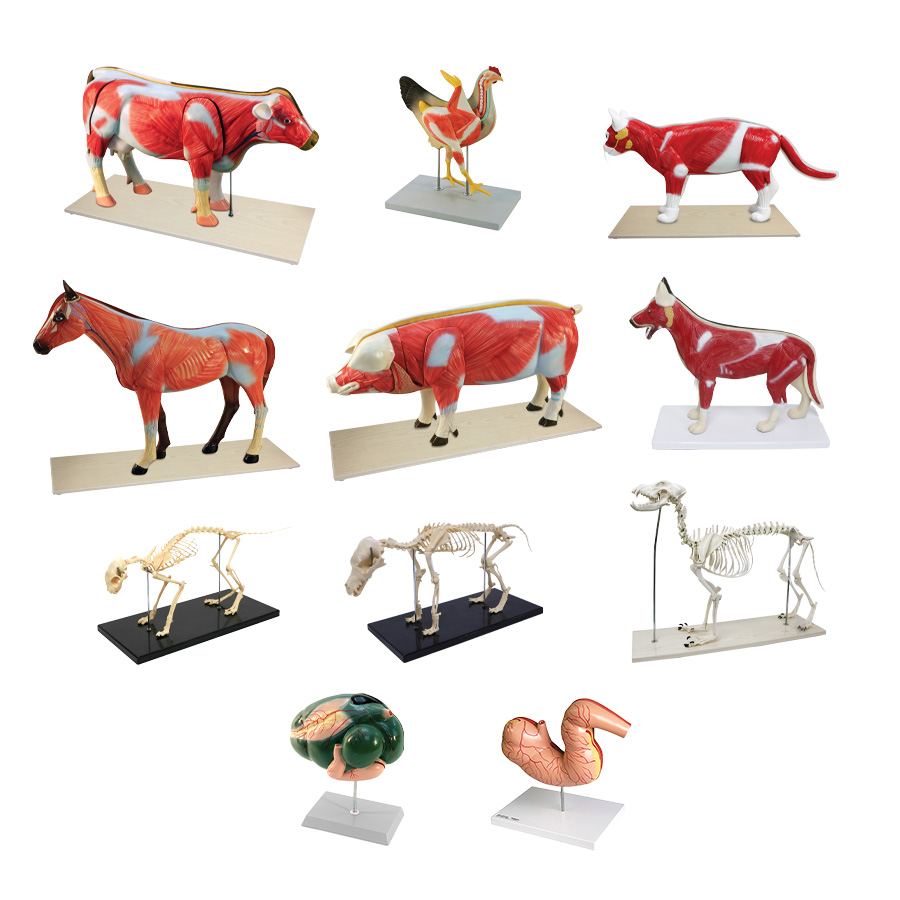

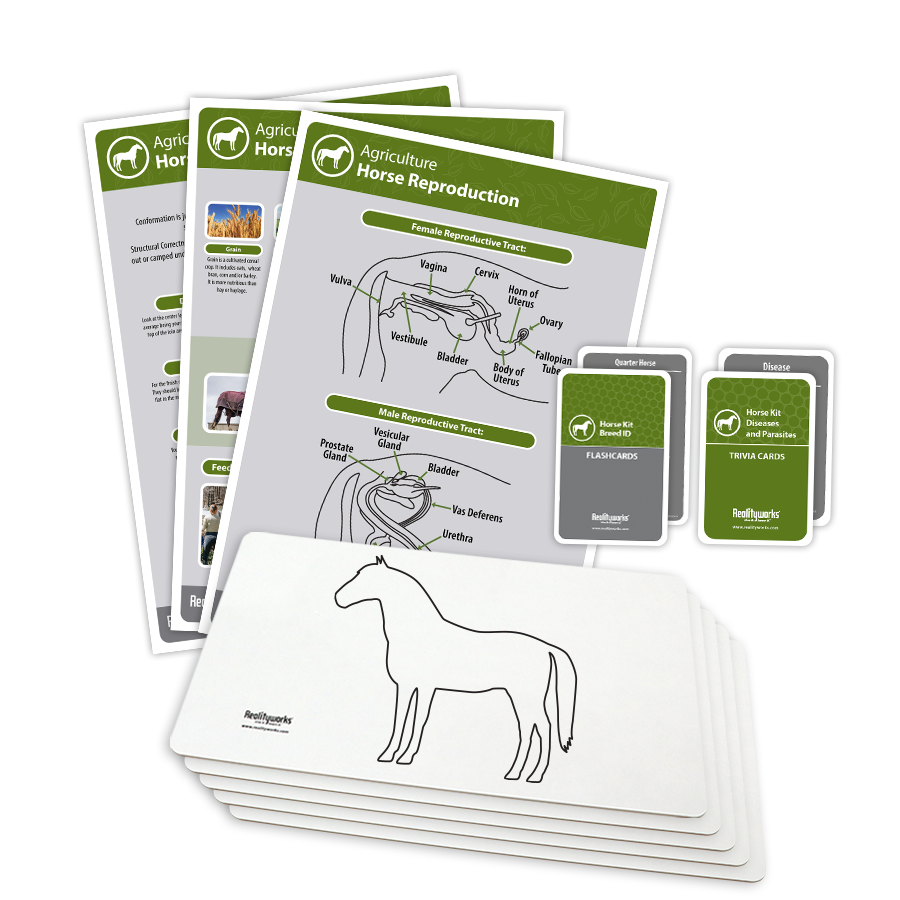
E Black –
Overall, it’s a good basic model. Being able to show the inside of the heart and stomach is very useful. A couple of improvements could be made. The model we received showed seven cervical vertebrae on one half and eight cervical vertebrae on the other side. Additionally, the downloadable curriculum had some mistakes like bullet points on the student handout that didn’t have corresponding answered blanks on the handout key. Still a useful model, but some details are missing
Denisa E., Vet Tech Teacher –
The first time we used them and the students realized they opened up and have organs in them, they were so excited! They’ve really thrived learning from them, and they don’t even realize they are learning – they’re just having fun.
Lisa Hallam –
These are great resources to help our students visualize the anatomy.