Brenda Collins teaches agriculture at Wheatmore Middle School in Trinity, North Carolina. The goal of Wheatmore’s agriculture program, a program Collins started, is agricultural literacy. Collins’ students rarely come from an agricultural background, and she hopes to increase their understanding of where their food comes. Her hydroponics project is a fun class activity that helps educate students about plants and food.

“I want them to know and appreciate the role agriculture plays in their lives and in our community, as well as globally,” said Collins. “We often talk about the increasing world population and how agriculture will have to meet the needs of the world.”
Brenda Collins
Agricultural Education
Wheatmore Middle School
Trinity, NC
The students are 6th through 8th graders who mostly live in a suburban part of a rural county. Collins explained that most of the students won’t go into agriculture careers, but all of them will consume agricultural products. As consumers, it’s important for the students to understand where their food and natural resources come from and how they’re managed.
Collins shared that many of her fun and inquisitive students don’t have much hands-on experience growing and harvesting their own food, a process she wants them to understand. Through her classes, she hopes to equip the students with knowledge that will help them become agriculture advocates.
“We have no greenhouse, and no room for any, so the hydroponics unit helps my students to experience watching plants grow, regardless of the season,” Collins stated. “This has been one of my favorite pieces of equipment in middle school.”
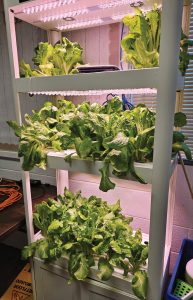 The Plant Producer Educational Hydroponics System helps users grow production-level quantities of produce while addressing key plant science, STEM, and sustainability efforts. This award-winning system features three vertical shelves connected to a single water source that enables equal nutrient allotment and concentrated growth on each level.
“They love watching whatever we are growing change,” shared Collins. “To watch them eat a freshly harvested salad from our hydroponics unit makes me happy. They discover that vegetables really are not that bad!”
Collins requested the system from her CTE director, who has been supportive of middle school agriculture programs. The hydroponics project was an alternative to a big, expensive greenhouse that would require regular maintenance.
“The hydroponics unit allows middle school students to experience the life cycle of a plant from seed to harvest,” Collins explained. “It also demonstrates an alternative method of vertical farming to students.”
Before the hydroponics project, Collins used grow-light units but found that growing from seed to harvest was difficult with them. They worked well for starting bedding plants or experiments but not for showing food production. She also used Wisconsin Fast Plants but realized that the ability to eat what you grow goes a long way with the middle school age group.
“My students love watching their lettuce and the other plants grow from a seed into something they can consume in a matter of weeks,” said Collins. “The hands-on aspect of using the hydroponics unit is a big draw. Every student can access and watch the unit as their plants grow.”
To kick off the hydroponics project, Collins has students start the seeds in the unit. They monitor the pH, electrical conductivity (EC), and fertilizer as needed. Once the produce is ready to harvest, they celebrate with a salad day. Salad days are a big success with students enjoying the treat of eating in class.
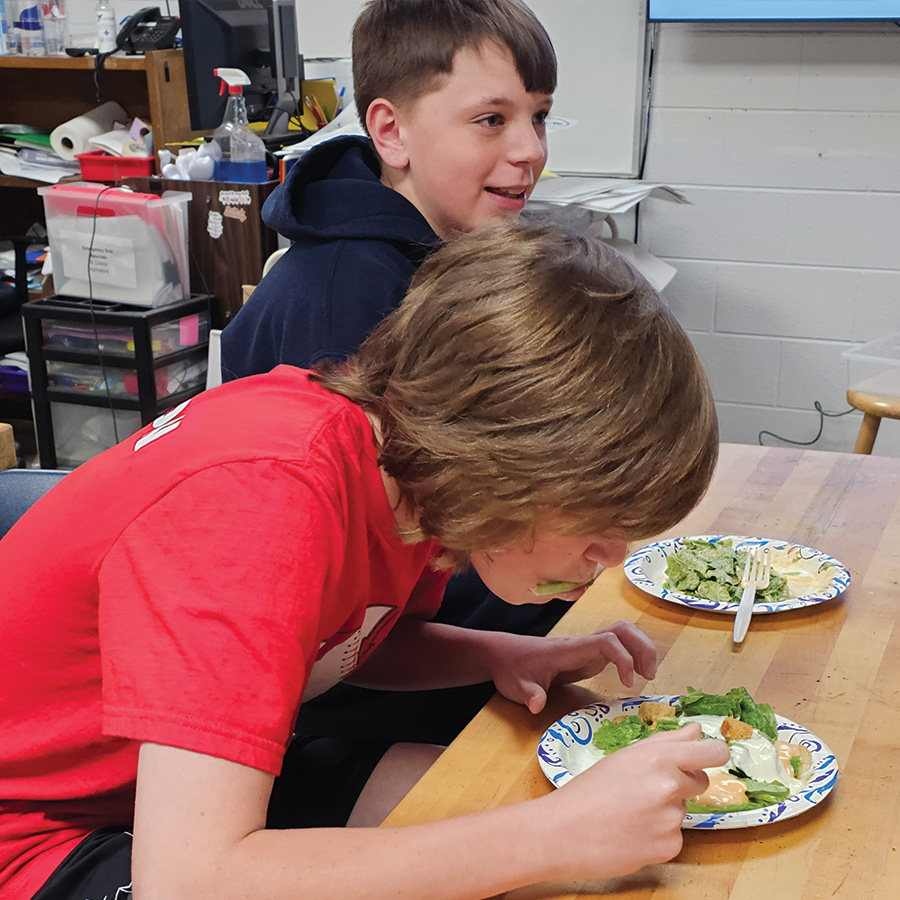
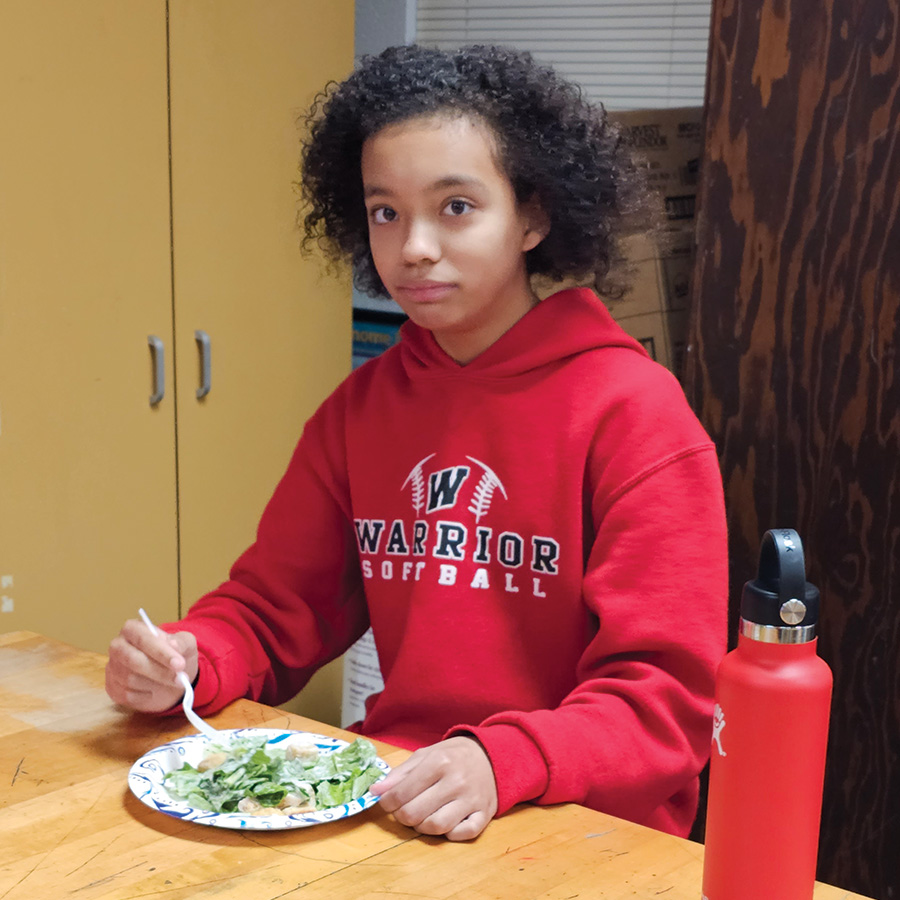 “They LOVE salad day. I provide dressing and croutons, we harvest and clean the lettuce, and they eat,” Collins explained. “Many [students] are not exposed to freshly picked produce, and this opportunity is priceless.”
Collins measures success by the knowledge her students gain about the farm-to-fork continuum, which is the path food takes from its original source to your table. Through the hydroponics project, students are exposed to the basics of plant growth, how roots take in nutrients, and the difference between fresh and store-bought produce.
“I also measure success in how excited they are to show other adults in the building our hydroponics,” Collins said. “I feel successful when a student who has monitored their lettuce plant for 3-5 weeks enjoys eating it and asks for seconds on the salad.”
Learning tools used:
Plant Producer Educational Hydroponics System
Grow production-level quantities of greens while addressing key plant science, STEM and sustainability efforts with the award-winning Plant Producer Educational Hydroponics System.