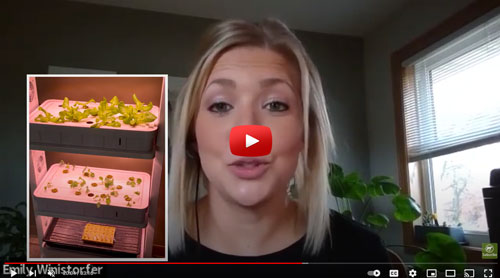
 If you’ve ever used hydroponics in your classroom, you’re familiar with the excitement these interactive teaching tools elicit. Students can’t wait to touch the systems, prep the plants and watch their greens grow! Hydroponics is a great way to bring important STEM, plant science and culinary concepts into your classroom while offering an engaging opportunity to practice soft skills. Here are 10 tips from hydroponics users (plus a printable growth chart and other free resources) that will help make your next hydroponics class a success.
Why Teach With Hydroponics?
Hydroponics allows you to teach a range of topics from science and agriculture to teamwork and critical thinking. This gives you the opportunity to cover not only many subjects in your own classes, but also facilitate cross-department collaboration. For example, you could grow herbs or vegetables in an agriculture class and share the harvest with a culinary class.
Another great perk to hydroponic classes is that every mistake or unexpected issue can easily become an excellent learning opportunity. If there’s a plant that failed to grow, students can develop research and critical thinking skills while figuring out why the harvest didn’t go as planned. Furthermore, hydroponics is very hands-on; students are involved all throughout the process from planting to harvesting, making the lessons they learn more memorable.
Now that we know the importance of teaching a hydroponics class, let’s get into the tips!
1. Do Your Research
Start by exploring what systems are available. Think about how much time you plan on dedicating to this topic, how many students will participate, what system will work best for you, and what your goals are. We offer three different systems. The Plant Producer Educational Hydroponics System is for production-level quality greens and the Plant Lab Educational Hydroponics System is for experimenting with different, smaller quantities of plants. We also offer a Plant Mini Educational Hydroponics System Class Pack (5-pack) which is another great system for experimenting.
2. Prepare a Plan
Create a plan that outlines when you will start growing, what you want to harvest, and the materials you need. Check out our free guide on hydroponics for information to help you get started.
3. Consult the User Guide
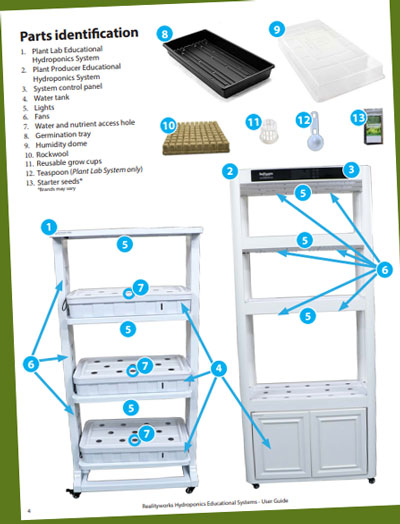
Our hydroponics systems come with a detailed user guide. You’ll find information on how often to check your pH and electrical conductivity (EC) levels, how to use your nutrients, where you can find seeds, and more!
4. Start With Speedy Plants
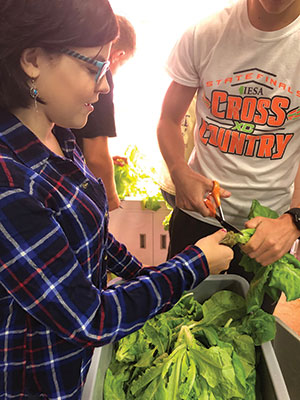
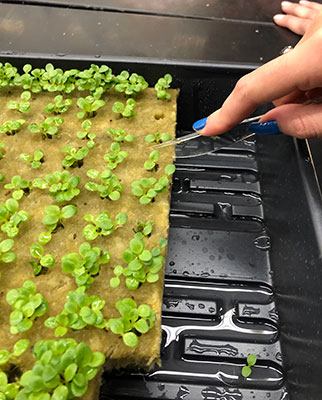
Starting with fast-growing plants will grab students’ attention quickly. Lettuce, for example, is an easy starter plant that grows rapidly. You can celebrate your first harvest with some healthy salads while your hydroponics class discusses what they want to grow next.
5. Leave Some Empty Space
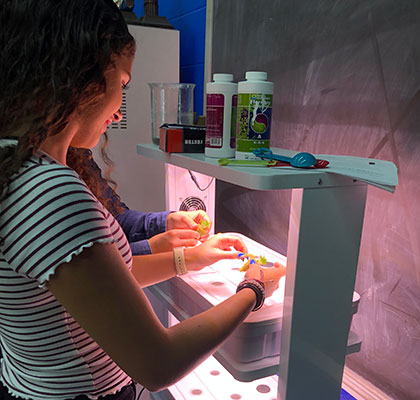
You may be tempted to fill your system with as many plants as possible, but we recommend leaving some space in the front middle area of your hydroponics system to get water samples and add nutrients. This way you don’t have to disturb any plants when taking measurements.
6. Increase Visibility
Hydroponics systems are eye-catching units that tend to pique students’ interest. Setting up the units in an area where lots of students can see gets them involved, excited, and asking questions. If you can put the systems in the hallway, you might even get other students excited to take your hydroponics class in the future!
7. Use the Included Lesson Plans and Activities
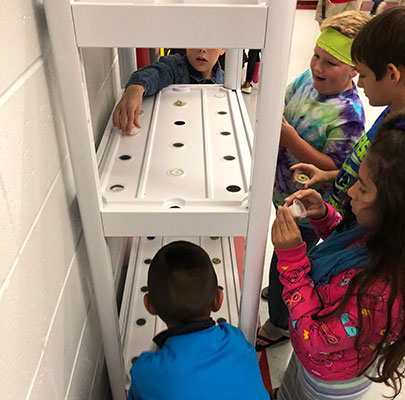
Our hydroponics systems come with online access to curriculum that features lessons on plant life and what hydroponics is. It takes approximately two hours to complete but can be adapted to a longer block of time with supplemental materials. The curriculum includes presentation slides and student assessments.
8. Engage Students With Experiments
Hydroponics systems provide tons of opportunities for students to observe, measure, and experiment all while building soft skills such as teamwork and collaboration. If you notice a drooping plant, see if you need to make any adjustments to nutrients or if you can create DIY support to hold it up. You can also try to change how fast your plants grow by experimenting with different nutrients. Ask students if there are any experiments they want to try!
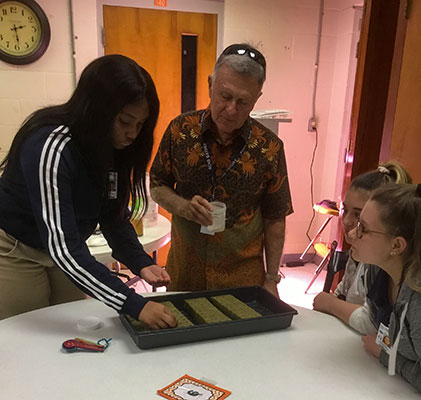
Free download: Use our Daily Weekly Hydroponics Educational Systems Chart to track daily or weekly pH and EC ranges as well as details about your nutrients, water levels and any other growth notes you wish to add.
9. Consistency is Key
Consistently testing the pH and EC are important for successful growth. If your EC is low, you need to add more nutrients to the water. If your pH is low, you have too many nutrients and need to add more water. Regularly checking these measurements is also helpful for experiments as it’s easier to measure the impact of any adjustments you make.
Regularly checking these measurements is easier to accomplish when students share the responsibility. Divide the class into small groups and assign different groups the task of monitoring pH and EC each week or class period. Students can put their heads together to communicate their findings with the rest of the class.
10. Encourage Reflection
After the harvest, ask students how they thought the experiment went and if they ran into any problems along the way. This allows them to reflect on all the information they’ve gained and think about how they could do better next time, which is always a crucial step in the learning process. Make sure their successes are highlighted as well and that they have an opportunity to talk about other experiments they could try with the systems by adjusting variables or growing different plants.
Learn More
Use these additional class resources to learn even more:
- Learn more about implementing hydroponics into your classroom with these free resources
- Check out our blog on lessons we learned while growing with hydroponics
- Check out our customer story in which a hydroponics class used our systems to bring new engagement opportunities into their classroom
- Watch our webinar, “Grow Learning with Hydroponics Educational Systems: A Panel Discussion” on demand anytime