 Looking to create a fashion and textiles program? You’re not alone! Schools across the country are starting new textiles, fashion, and apparel pathway programs to address increasing demand for careers in these areas. In a recent webinar, Denise DuBois, Realityworks’ Senior Family and Consumer Sciences (FCS) Product Manager, walked participants through key concepts needed in these programs. Read on to see the tips and resources DuBois shared.
Building a Fashion and Textiles Program
When you begin building your textiles, fashion, and apparel program, there are many places you can start and resources to explore. Let’s take a look at the pathways that pertain to the Arts, AV Technology, and Communications Career Cluster.
Arts, AV Technology, and Communications
The Arts, A/V Technology, and Communications Career Cluster contains six pathways: Audio and Video Technology and Film, Printing Technology, Visual Arts, Performing Arts, Journalism and Broadcasting, and Telecommunications. Ask yourself, do you want to create a pathway-specific program or make it broader? Are there other pathways you would like to grow?
In the current career cluster model, fashion and textiles careers fall within Visual Arts as this pathway explores fashion illustrations, textile and fashion designers, and more. However, these clusters are in the process of being updated. In the most recent version of the modern clusters, textiles, fashion, and apparel fits into a newly named cluster, Arts, Entertainment, and Design. It falls within two subclusters: Design and Digital Arts and Fashion and Interiors. In this new model, there are also some cross-cutting clusters that could apply.
Cross-Cutting Clusters
There are three cross-cutting clusters that can work with any cluster. These are digital technology, management and entrepreneurship, and marketing and sales. Digital technology applies to fashion and textiles careers through apparel design software, digital printing, and more. Additionally, entrepreneurs, managers, marketers, and salespeople are all part of the fashion and textiles industry.
6 Key Elements for Developing Career Pathways
These elements are important to consider for any pathway program you develop, including fashion and textiles. As we explore tips for developing your pathway, think about these key elements and consider how you could use them to guide development of any career pathway. The six elements are:
- Build cross-agency partnerships
- Identify industry sector and engage employers
- Design education and training programs
- Identify funding needs and resources
- Align policies and programs
- Measure system change and performance

Tips for Developing Your Pathway
1. Use Planning Tools
The first step to creating a fashion and textiles program is to build your plan of study. You can find modernized career clusters and classic cluster resources at careertech.org. This site also offers an editable planning document as well as pathway-specific worksheets. These can help you lay out the courses you’ll need in your textiles, fashion, and apparel pathway plan of study.
2. Review Standards
Another great resource for building your plan of study is the National FCS Standards. These standards provide a clear and consistent understanding of industry and postsecondary expectations for fashion and textiles teachers and students. These standards are designed to provide the essential knowledge to prepare and increase the number of college- and career-ready students. They provide measurable accountability, a comprehensive framework, and validation.
Similarly, the Common Career Technical Core Standards can provide direction for your program. These are a set of common standards for Career and Technical Education (CTE). These standards identify what students should know and skills they should have when they finish a program of study. Review the standards that apply to fashion and textiles to ensure you teach these basic core competencies in your program.

3. Access Knowledge and Skill Statements
Advance CTE provides Knowledge and Skills Statements for the Arts, AV Technology, and Communications Career Cluster as well as statements for each related pathway. For example, students in the Visual Arts pathway should investigate its various career paths to discover occupations they are interested in. In your fashion and textiles program, students could explore the careers of fashion designers, retail merchandisers, stylists, and more.
4. Explore Certifications
Many districts require that career pathways lead to industry-recognized certifications or credentials. To find the right certifications for your program, ask the right questions, such as:
- Does your state department recommend a specific certification or testing agency?
- Are your instructors licensed to teach these courses?
- What are local employers looking for?
- Is employment transferable?
- What is the cost of certification or a specific credential?
Look into to national certifications or fashion and textiles credentials in your area. What do students need to know to obtain those credentials? To get you started, the American Association of Family and Consumer Sciences (AAFCS) has a credential you can review. This Fashion, Textiles, and Apparel credential is appropriate for programs in secondary and postsecondary education, community-based education, and employer-based staff development. Eligible candidates for the pre-professional credentials do not have bachelor’s degree.

5. Build an Advisory Council
Involving local fashion and textiles professionals in your pathway development is critical. How can you understand what local employers are looking for if you don’t ask? Consider putting together an advisory council. Invite industry professionals from a variety of settings and levels of responsibility to get diverse perspectives and input.
The council should meet on a regular basis with several meetings each year, perhaps quarterly. The focus of the council should be on outcomes. Ask council members what employers are looking for and whether you teach the right topics and skills. The council is also an excellent opportunity to form partnerships for field experience, job shadowing, and guest speaker opportunities.
6. Check Out CTSO Competitive Events
Explore Career and Technical Student Organization (CTSO) competitive events to help identify the types of skills that these organizations see value in. For example, the Family, Career and Community Leaders of America’s (FCCLA) Fashion Construction STAR Event asks participants to construct their own garment or ensemble.
7. Bonus: Generate Student Interest in Your Program
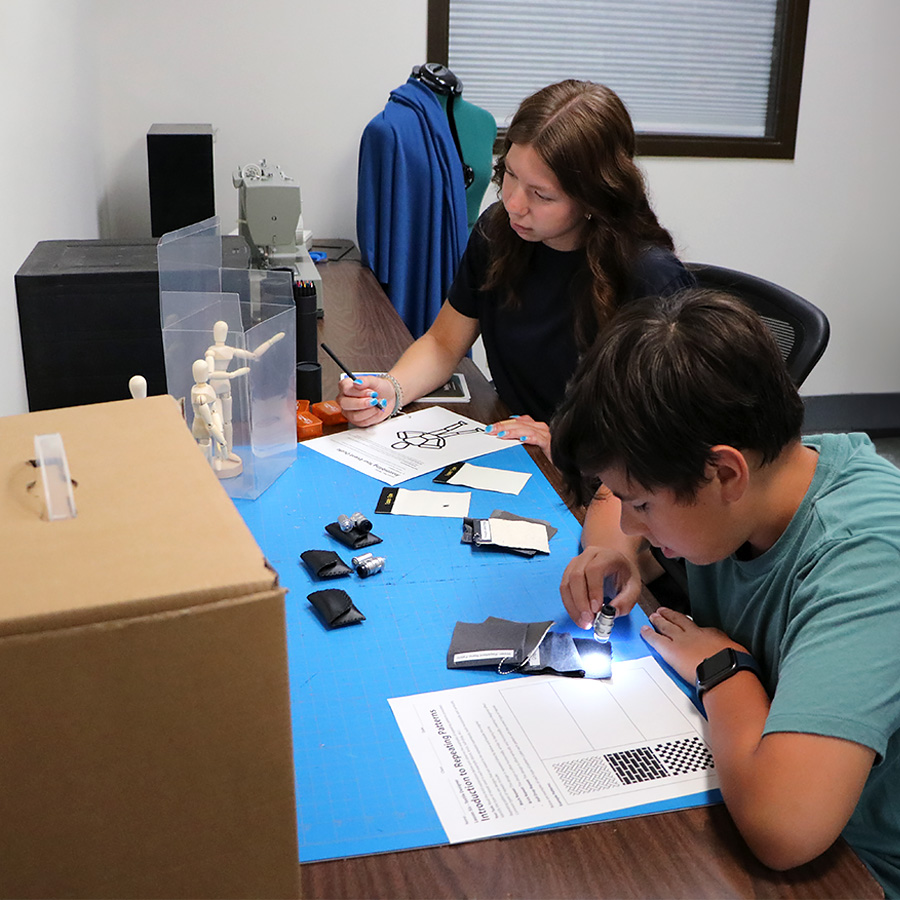
Draw students to your program through career exploration opportunities! We recently released our Textiles and Apparel Career Exploration Kit, which gives students a taste of 10 different fashion and textiles careers. The kit includes scenario cards, tracing paper, colored pencils and sharpeners, mini mannequins, and more to engage students in hands-on learning as they explore this exciting field.

Additional Resources
Looking for more FCS resources for your program?
- Watch the complete, free webinar on demand
- Explore our free career exploration lesson plans
- Check out free resources to help you engage your students and teach in-demand skills