 If you’re looking for hands-on tools for teaching BLS, we can help! In a recent webinar, Molly Kellgren, PhD, RN, Realityworks Health Science Education Product Manager, explored the use of hands-on learning aids for teaching Basic Life Support (BLS) skills. From CPR to removing infant airway obstructions, read on as we delve into the teaching tools Kellgren showcased.
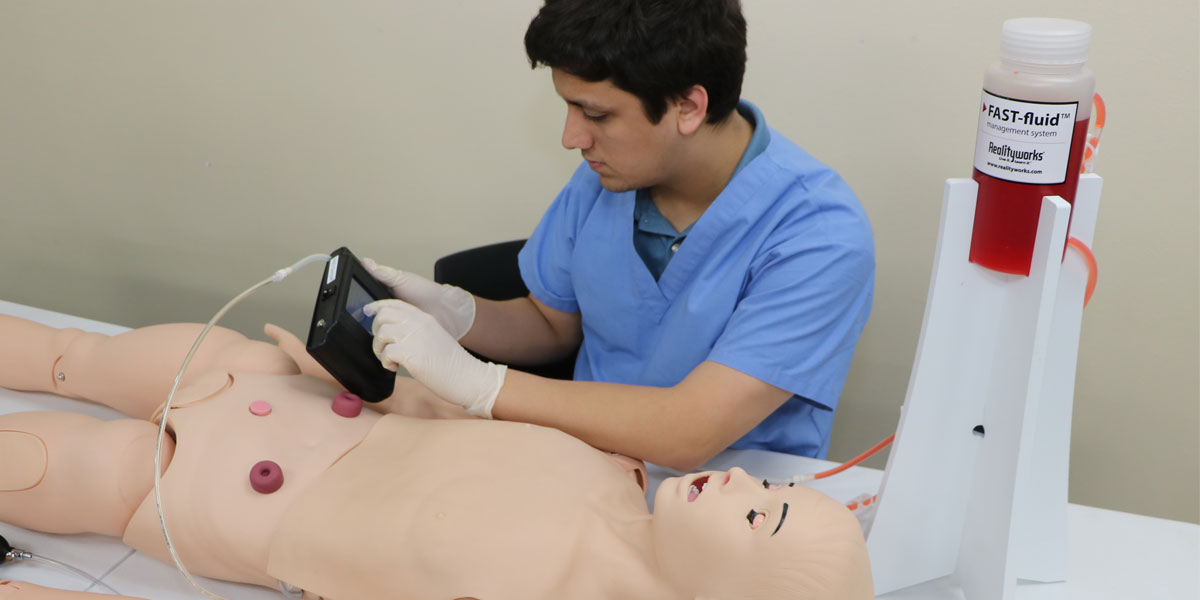
Adult Nursing Manikin
The Adult Nursing Manikin helps with teaching BLS by giving your learners immediate feedback on the quality of their CPR. Both rate and depth of compressions are evaluated against the American Heart Association’s recommendations. This is only one of the many skills learners can master with this manikin. Students can also practice IV insertion and medication administration, intramuscular injections, urinary catheterization, and more!
In addition to hands-on skills practice, this manikin comes with a 10-lesson curriculum featuring a variety of learner activities and pre- and post-assessments. The curriculum covers topics such as bathing, range of motion, and intramuscular injections with up to eight hours of teaching content between all lessons.
One way to implement this manikin into your classroom, involves creating skills stations for your adult patient unit. You could have stations using other equipment you have, such as one station with task trainers for male and female catheterization, another station could be all about medication administration, and third could use the manikin for CPR practice.
Pediatric Nursing Manikin
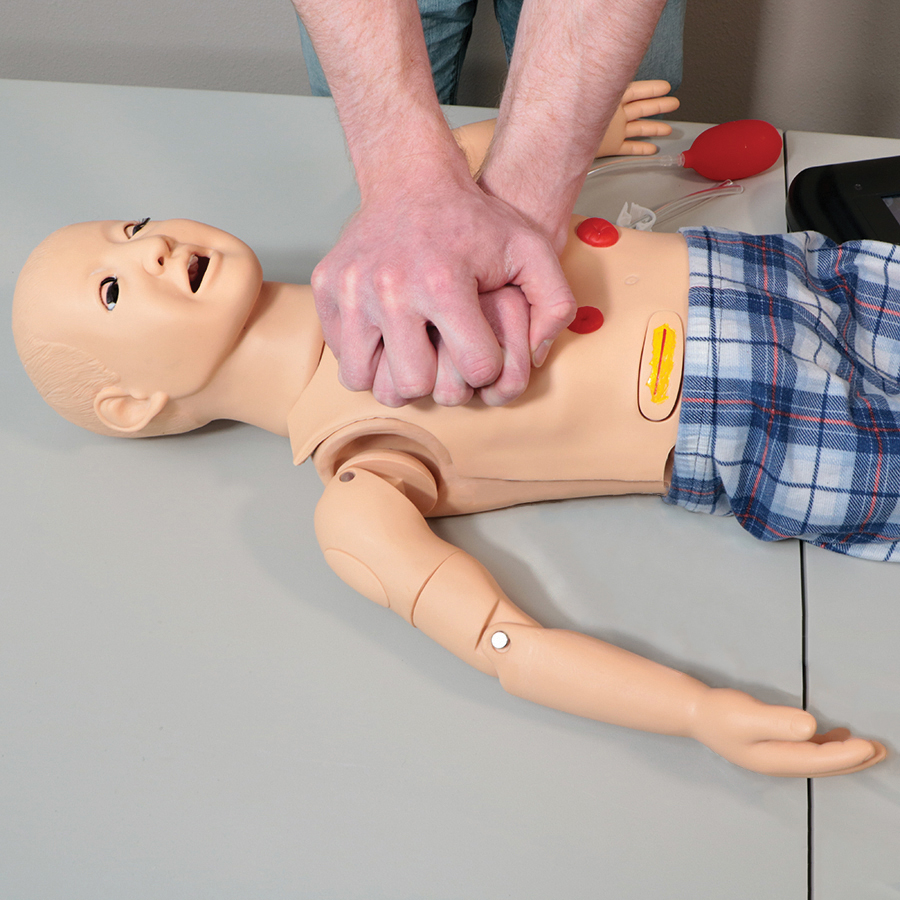
Our Pediatric Nursing Manikin is the size of a three-year-old and, like its adult counterpart, gives learners the opportunity to practice their CPR techniques while receiving feedback about their rate and depth of compressions. Because the technique is different between adults and children of this size, it is important to give learners a safe place in the classroom to become confident and competent in their CPR skills.
Similar to the adult manikin, this pediatric manikin has many uses outside of teaching BLS, including catheterization practice on both boys and girls. The manikin comes with a separate IV arm for IV insertion, medication administration, and phlebotomy practice. It also features a 9-lesson curriculum that includes lessons on pediatric catheterization, immunizations, and endotracheal intubation.
When implementing this manikin into your classroom, you could create activities centered around the different components of the manikin. The first activity could be the CPR station with the manikin itself. A second station could feature IV start practice with the separate IV arm that’s provided. You could also have a third station where learners practice preparing for medication administration with math for pediatric dosage calculation.
Infant CPR Manikin
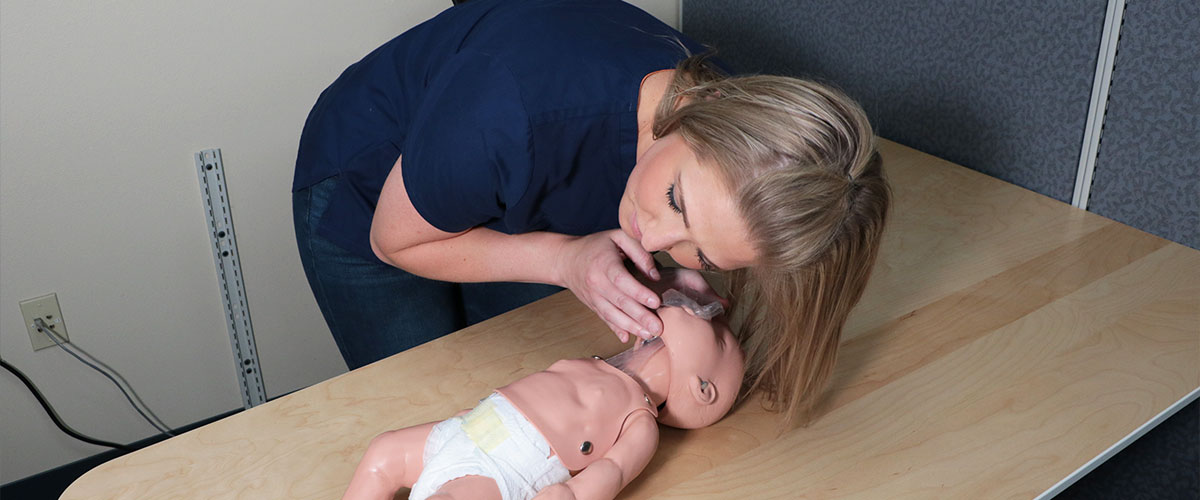
The Infant CPR Manikin in a great resource for teaching BLS. It helps students learn correct technique for CPR as well as proper head tilt and chin lift. The manikin comes with face shields to keep it clean as various learners practice giving breaths. There is no technology involved, making it easy to maintain in your classroom.
This manikin’s included curriculum features four lessons on topics such as assessing an emergency situation, how to call for emergency medical assistance, and how to perform infant CPR. These straightforward lessons concentrate on teaching good CPR technique. It’s common for people to panic in emergencies, especially when infants are involved, making it especially important to offer your students repeated practice with this life-saving skill.
Research shows that repeated practice performed often is the most effective way to keep your skills in CPR. To provide this repeated practice, you could initially teach CPR in your adult unit with the Adult Nursing Manikin. In the pediatric unit, you have two CPR stations, one for an adult and one for the Pediatric Nursing Manikin. Now, in your infant unit, you can bring out all three manikins to highlight differences and similarities in technique, as well as provide more opportunities to practice CPR.
Choking Baby
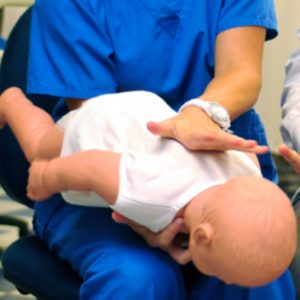
Our Choking Baby trainer is a great option for teaching BLS at an entry level. From future childcare workers to potential nurses and medical assistants, many learners can benefit from this trainer. This easy-to-use tool helps students understand the basics of how to handle choking emergencies, learning the techniques for intervening in those scary situations.
Similar to the Infant CPR Manikin, the Choking Baby also comes with a four-lesson curriculum that helps teach how to identify objects that can cause choking, why the Heimlich Maneuver should not be used on babies, and how to handle an infant airway obstruction emergency. The lessons focus on choking prevention and how to handle such emergencies.
BVM Ventilation Trainer
The BVM Ventilation Trainer gives your students the opportunity to practice both one- and two-person techniques when learning to use a BVM, as well as CPR. The electronic controller provides immediate feedback about rate and volume of breaths, as well as rate and depth of compressions according to the American Heart Association’s guidelines.
The trainer’s downloadable curriculum contains three lessons on the purpose and parts of a bag valve mask, correct use of a bag valve mask, and troubleshooting common bag valve mask problems. This curriculum only takes one to two hours to teach and includes presentation slides, learner activities, and pre- and post-assessments.
The electronic controller included with the trainer is a great tool for teaching BLS, allowing your students to practice independently and get much-needed feedback about their performance without being completely reliant on you for that feedback. This frees up your time to focus on other groups of learners.

Additional Resources
Looking for more resources for teaching BLS and other health science skills?
- Watch the full webinar for free here
- See how one North Carolina county uses these tools, and many others, to engage students in EMT and medical assisting careers in this customer story
- Explore wearable simulators that can help learners develop nursing soft skills in this blog post