 With careers reliant on soft skills projected to take up 2/3 of all jobs by 2030, it’s important to improve middle school employability skills. Middle schoolers’ developing abilities to think abstractly and their preference for teamwork and active learning make it a natural time to learn about careers and develop skills like problem solving, critical thinking, and teamwork.
In a recent webinar, Denise DuBois and Todd Hunter, Realityworks Product Managers, shared tips and best practices for integrating the Middle School Employability Skills Program into any program to teach students the soft skills they’ll need for successful employment in the future. Read on to learn about this brand-new soft skills program specifically designed for middle schoolers and take a deep dive into some of its lessons.
The Need for Employability Skills Instruction
First, let’s define what these skills are. Employability skills, also known as soft skills, are the skills needed get and keep a job. Soft skills are also incredibility important as they relate to success on the job. ACTE published this executive summary on career exploration in middle school. One of the top six recommendations is to design projects and activities to develop middle school employability skills. Middle school is an ideal period to cultivate employability skills, as students’ brains are receptive to developing competencies that will serve them well in future education and work.
Don’t underestimate the importance of soft skills in the workplace. In a recent study conducted by LinkedIn, 57 percent of business leaders rated soft skills more important than hard skills. Job success is deeply dependent on an employee’s soft skills. Research conducted by Harvard University, the Carnegie Foundation, and Stanford research center concluded that 85 percent of job success comes from having well-developed soft skills.
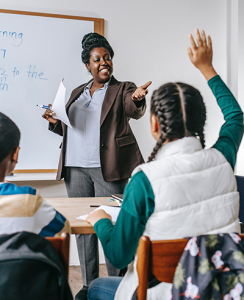
Middle School Employability Skills Program
Helping your students become college- and career-ready is a primary goal our programs. One way to ensure career readiness is to give students the opportunity to actively practice a variety of soft skills. This new employability skills curriculum introduces participants to many important soft skills desired by employers through a variety of activities and discussions relating to each soft skill.
The Middle School Employability Skills Program has three main components: a spiral-bound curriculum, 20 student workbooks, and a set of scenarios cards. The program may be used as a standalone unit for teaching soft skills or as a supplement to material you are already using. The complete curriculum boasts up to 30 hours of teaching content that covers a variety of soft skills, including professionalism, decision making, and honesty.
This is an engaging, easy-to-implement program that uses hands-on activities as well as real-world applications to teach students 20 soft skills. Use this program to generate real-life discussions, prompt reflection activities, and generate ice-breaker activities. The soft skills covered in the program were chosen by teachers as highly desired skills. Each standalone lesson introduces a specific soft skill that students will apply in two to four activities, helping to develop transferable employability skills. The included scenarios engage students and provide real-world situations to solve, helping students become career ready.
You can view a complete curriculum overview here.

Anatomy of the Lessons
Each lesson focuses on one soft skill and begins with an introductory scenario that leads into a presentation. The presentation defines the soft skill, explains why it matters, features videos about it, and discusses how you can develop the skill. Next, learners apply the employability skill in two to four workbook activities. To conclude the lesson, students participate in a review scenario with the scenario cards and take a quiz.
Program Deep Dive
Let’s take a deeper dive into some of the lessons in our Middle School Employability Skills Program.
Communication
This lesson kicks off with a communication scenario and key questions. In the presentation, students learn about various types of communication and apply then in several activities, including writing a cover letter, preparing for a job interview through a series of questions, and a nonverbal communication brainstorming activity.
Explore a sample of this lesson here.

Problem Solving
This lesson begins with a problem-solving scenario to engage students as they consider how they should handle a difficult situation. In the presentation, students learn a six-step, problem-solving process. They then apply this process in three ways: a project scenario, a personal example, and creating multiple solutions.
Find examples of these activities and others here.
Interpersonal Skills
This lesson starts with an introductory scenario featuring interpersonal skills on a marketing team. The presentation includes a definition of what interpersonal skills are, types of interpersonal skills, and how to improve them. Videos are integrated for interest as well. There are several activities including an interpersonal skills self-assessment, an action plan worksheet, journaling to develop emotional intelligence, and a plan for practicing interpersonal skills.
Responsibility
The introductory scenario for this lesson focuses on a young lady who is very responsible and lands the job of her dreams as a result. The presentation defines responsibility, how to be responsible in the workplace, and tips for being a responsible person. Activities to apply responsibility include a time management study, how to be responsible in your dream job, and a plan for taking on more responsibility,

Teamwork
The teamwork introductory scenario focuses on what happens when one person on the team struggles to contribute. The presentation centers on characteristics of a successful team player and how to be a good team player at work. Students will apply their knowledge in a group challenge to identify solutions to a problem, a group survival scenario, and a post-activity reflection.
Work Ethic
The introductory scenario for this lesson focuses on a story of how hard work provided an opportunity to become a welder. The presentation defines what work ethic is, characteristics associated with work ethic, and how to develop a strong work ethic. Participants apply their work ethic knowledge in several activities, including a personal look at strengths/weaknesses of their own work ethic.
Listening
The opening scenario features a human resources manager who must practice active listening when employees come to them with issues. The presentation highlights passive versus active listening, benefits of active listening, and how to use active listening. Students get a chance to practice active listening with two different activities.

Respect
The opening scenario for this lesson focuses on a situation where there is a lack of respect at work. The presentation helps students learn what respect is and why it is needed in the workplace. Students then take a respect self-assessment and research a company that is a great example of a respectful workplace.
Critical Thinking
Our introductory scenario for this lesson kicks off with critically thinking through a safety issue in a restaurant scenario. The presentation then goes on to define critical thinking and why it’s important as an employee. Students will learn how to think critically and what they can do to improve this skill.
Additional Resources
- Watch the full webinar for free here
- Explore more soft skills teaching resources in our Soft Skills Implementation Guide
- Discover more soft skills training tools here