 Looking for hands-on training tools for career exploration? We’ve got you covered. In a recent webinar, Samantha Forehand, Realityworks’ Director of Sales and Marketing, discussed a variety of simulators and trainers to help give your students interactive, real-world learning experiences. Read on to see what she had to say about why career exploration helps grab students’ attention and discover Realityworks’ learning aids that can jumpstart engaging career exploration experiences.
Why Career Exploration Matters
Research indicates that early exposure to career exploration activities can significantly impact students’ career choices. Students who engage in these activities are more likely to pursue post-secondary education or hands-on training for their desired careers. Schools that integrate career exploration into their curricula also report higher levels of student engagement. Hands-on activities, job shadowing, and career fairs are examples of effective approaches to enhance student interest and motivation.
Career exploration in schools helps align education with workforce needs. By introducing students to high-demand career pathways and emerging industries, schools play a crucial role in preparing a skilled workforce for the future. Studies have also shown that students who participate in career exploration programs are less likely to drop out of school. Exploring various career options early on can inspire students to set goals and stay focused on their academic achievements.
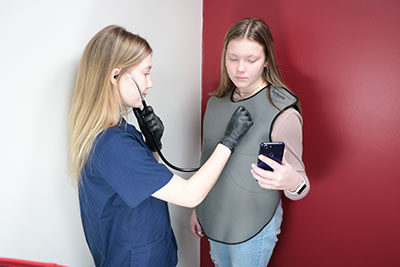
Career exploration activities equip students with the information and skills needed to make informed career decisions. This includes understanding job requirements, salary expectations, educational pathways, and industry trends. Many schools also collaborate with local businesses, industry professionals, and community organizations to provide students with real-world experiences. These partnerships offer valuable insights into career pathways and foster mentorship opportunities.
Career exploration should be a process in which students learn, discover, and evaluate career opportunities based on their own interests and values. This process should be fun as students get to learn about themselves and dream about their future, but it should also be informative as they learn about what career opportunities are out there.
Understanding Today’s Students
The following traits describe today’s students and how they learn:
- Digital Native: Today’s learner is comfortable and proficient in using various digital tools and platforms for learning, communication, and collaboration.
- Tech-Savvy: These individuals leverage technology as a key component of their educational experience, incorporating online resources, apps, and interactive platforms into their learning process.
- Adaptable: Modern learners quickly adjust to new learning environments, formats, and technologies, reflecting their ability to thrive in a rapidly changing world.
- Multitasker: They showcase their ability to manage their time and priorities effectively by juggling multiple responsibilities, such as academics, extracurricular activities, part-time jobs, and social engagements.
- Curious and Inquisitive: Today’s learners seek a deeper understanding, ask insightful questions, and actively engage in discussions and debates to broaden their knowledge and perspectives.
- Collaborative: They value teamwork, recognizing the importance of collaborating with peers, mentors, and experts to solve complex problems and share ideas.
- Global Citizen: Modern learners are culturally aware and connected to diverse perspectives and experiences from around the world, fostering a sense of empathy, inclusivity, and global responsibility.
- Lifelong Learner: They continuously seek opportunities to acquire new skills, stay updated with current trends, and adapt to evolving professional and personal challenges.
- Critical Thinker: They analyze information critically, evaluate sources, question assumptions, and make informed decisions based on evidence and reasoning.
- Resilient: Today’s learners overcome setbacks, failures, and obstacles with a growth mindset, learning from experiences, and persisting towards their goals with determination and perseverance.
How Today’s Students Learn
The modern student is a dynamic blend of traditional values and contemporary influences. Many of today’s learners are digital natives, seamlessly integrating technology into their learning experiences. They spend much of their day on digital devices, leveraging online resources, interactive platforms, and digital tools for education.
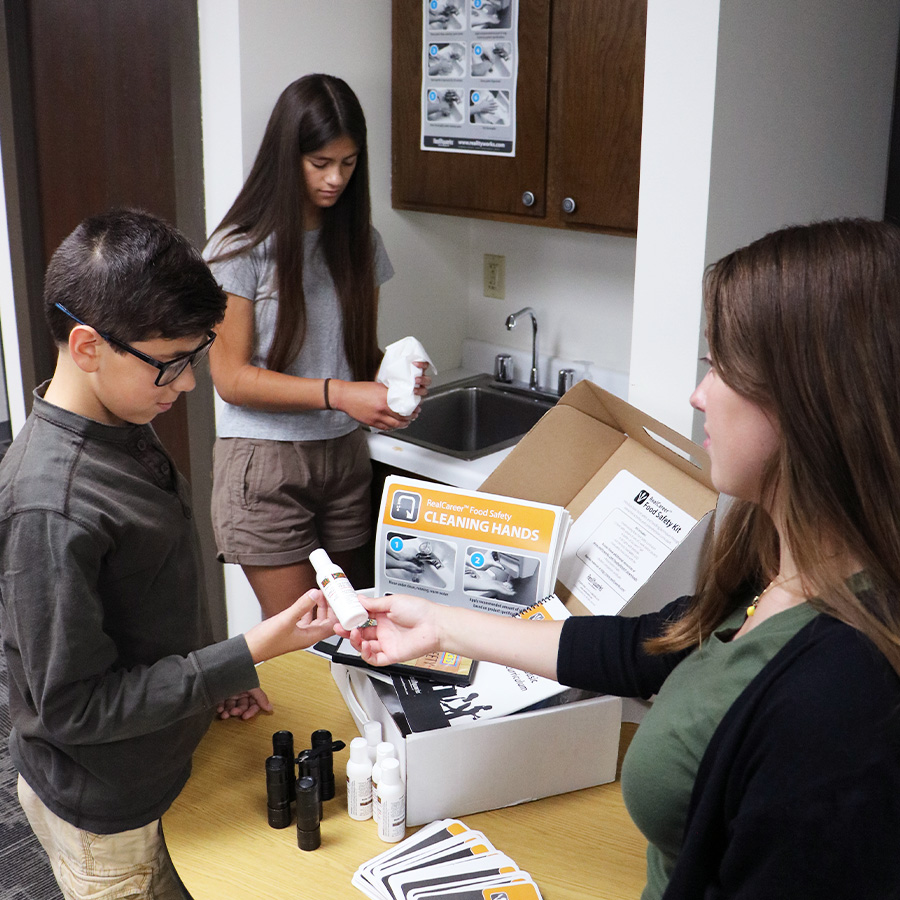
Many modern learners value hands-on learning experiences, seeking real-world applications and practical knowledge. Collaboration is key with these students as many of them engage in group projects, teamwork, and interactive learning environments to enhance their understanding and skills. They also prefer flexible learning styles, including online courses, self-paced learning, and personalized educational paths.
Experiential learning is key as this interactive learning style can improve student retention rates. Its personalized, application-based strategies empower students with practical skills and a deep understanding, enhancing academic and professional success.

How Hands-On Training Tools Correlate to Career Exploration
Experiential learning actively involves students in the learning process, making it more engaging and memorable. This can lead to improved retention of information and a deeper understanding of concepts. Offering experiential learning opportunities can be a strong selling point for prospective students, showcasing a commitment to hands-on education that can attract more students and improve retention rates.
By focusing on consumable costs and optimizing resources, experiential learning can be cost-effective in the long run while providing valuable learning experiences. Experiential learning also allows students to explore different career paths by gaining practical experience in various fields, helping them make informed decisions about their future careers.
Hands-On Training Tools for Career Exploration
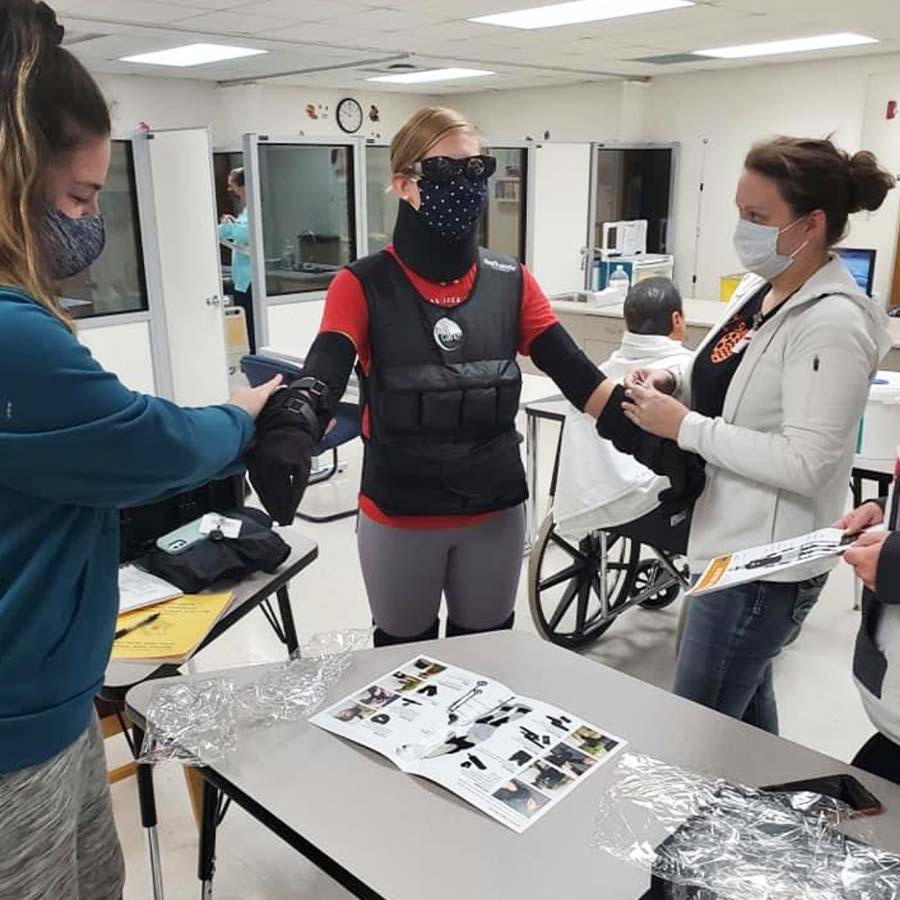
Geriatric Simulator
Use the award-winning Geriatric Simulator to help students experience a variety of physical and visual challenges that older adults face. It includes curriculum that explores topics such as exploring geriatrics and gerontology. This simulator enables users to personally experience challenges like stooped posture and limited mobility.
Child Care Experience™ Program
The Child Care Experience Program offers the most realistic childcare simulation possible. With this program, each student participates in an in-class simulation during which they manage the care of multiple infants simultaneously. This is a complete simulation involving hardware, software, and curriculum. It’s ideal for early childhood education capstone projects as well as creating real-life practice opportunities for childcare skills.

Plant Mini Educational Hydroponics System Class Pack
This Plant Mini Educational Hydroponics System Class Pack allows individuals or small groups to grow a variety of plants. It comes with fans, mini germination domes, and everything else you need to get started. You can experiment with deep water culture, ebb and flow, and microgreen growing methods. This system can help prepare students for careers as a nursery or greenhouse technician, cultivation manager, agricultural engineer, and more.

Career Exploration Packs
Our packages offer turnkey solutions for health science, culinary, childcare, trades, and agriculture career exploration. To make them easy for you to implement, each pack comes with curricula, hands-on training tools, and more. All the tools in these packages help students explore high-wage, high-skill, high-demand careers.
FREE Resources
- The full webinar on demand
- Career exploration lesson plans that cover careers in agriculture, food science, business, and more
- Infographics and posters promoting career and technical education and educating students on various career paths