Realityworks marketers Emily and Allen are using our educational hydroponics systems to grow fresh, healthy food hydroponically – for the first time ever! How hard is hydroponics for beginners? We’re going to find out – and we’ll share tips and ideas along the way.
Why We’re Testing Our Hydroponics Systems
Most of the learning aids we offer were inspired by conversations with teachers, and our educational hydroponics systems are no exception. When teachers first started asking us for classroom-friendly hydroponics systems a few years ago, we immediately made a list of requirements. To best meet the needs of today’s busy, multi-tasking teachers, our solution would need to engage today’s students with hands-on learning but be simple enough to use that students could take charge. Most importantly, we would need to include enough lesson plans and supporting materials that growing with hydroponics could be possible for novice gardeners, substitute teachers… anyone who has never done it before.

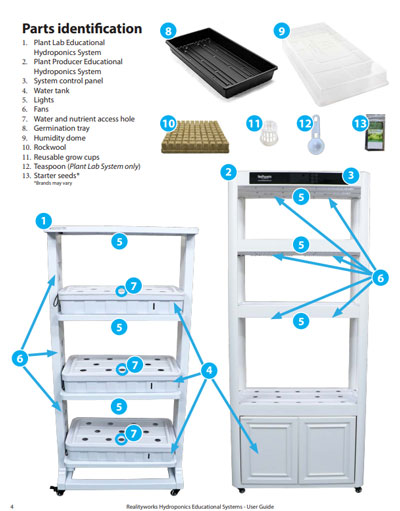
We announced the availability of our Plant Producer Educational Hydroponics System and Plant Lab Educational Hydroponics System in 2019. Earlier this year, we unveiled our smaller, desktop-sized Plant Mini Educational Hydroponics System.
With excitement continuing to “grow,” we thought there was no better time than now to experience our systems like novice teachers might.
Meet Emily and Allen
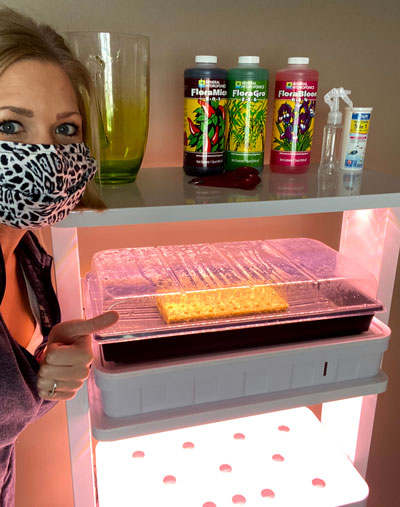
As Realityworks’ Trade Show and Event Coordinator, Emily spends most of her days collaborating with account and product managers and other subject matter experts to coordinate webinars, conferences and other events, both live and in person. Outside of work, she lovingly tends to a collection of over 30 different indoor plants, plus a backyard garden when our Wisconsin weather allows it. Emily has never used a hydroponics system before. She’s using our Plant Lab system to grow spinach, kale and lettuce.
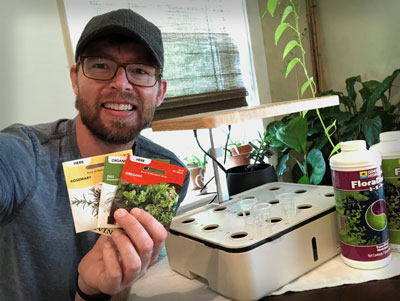
Allen is Realityworks’ Lead Designer. He spends his days developing our catalogs, flyers and other printed materials; designing web pages and graphics; and generally keeping our marketing and sales messages beautiful (and consistent). Although he grew up on a hobby farm and has been around gardening his entire life – he even recently undertook the challenge of building a hobby homestead and garden – Allen has never grown anything hydroponically before. He’s using our Plant Mini system to grow rosemary, dill, oregano and basil.
Hydroponics for Beginners: What We Did First
To help customers get started, our hydroponics include growing materials. These include a sample of the products that can be sourced after your first growing cycle from many different retail and online stores:
- 1 pack of starter seeds
- Rockwool
- Germination tray with humidity dome for seed development
After settling on herbs and greens to avoid the pollinating that green beans and peas require, Emily and Allen both read the Quick Start Guides that accompany our systems. These comprehensive guides come with every product to ensure customers have what they need to get their programs up and running successfully.
In this case, Allen and Emily used their Quick Start Guides to ensure they had what they needed. Emily ordered measuring cups, pH testing strips and EC testers on Amazon. She also ordered the nutrients we recommend with our systems: general hydroponics Florado A & B Fertilizer, which Allen is using with his Plant Mini system, and general hydroponics Flora Bloom Fertilizer, which Emily is using for her Plant Lab system.
Next, they had to prepare their hydroponics systems for use. As noted in the Quick Start Guide, it’s important to complete the following steps:
- Make sure the hydroponics system is on a level surface
- Prepare the hydroponics system at least 2-3 days before adding plants to the system
- Plug the system in
- Add water and nutrients to the tank(s), and let the water circulate for 24 hours before adding plants
They followed the steps outlined in their guides to fill each of the tanks to the appropriate capacity. As we specify in the guides, letting water and nutrients circulate for 24 hours allows the water to reach room temperature and leach any chlorine out.
Next: Germination!
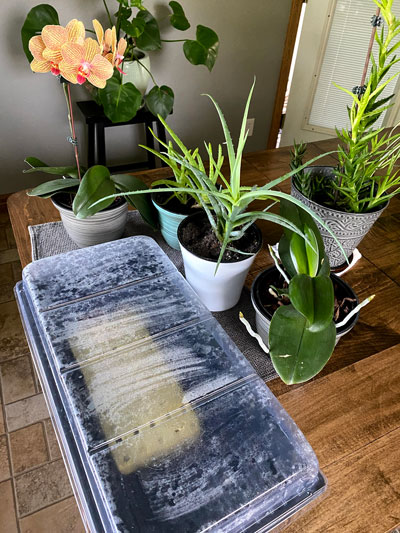
As of this blog post, both Allen and Emily’s plants are still germinating in her Plant Lab system. Stay tuned to learn how these novice hydroponic growers got their plants started in the rockwool – the Quick Start Guides include great step-by-step instructions and information about why rockwool works – and what they are doing to keep their seedlings happy.
Resources for learning more about hydroponics for beginners
- Explore our hydroponics implementation resources, including videos, customer stories, blogs and more
- Download our Hydroponics: Know How to Grow guide to learn more about the benefits of hydroponics, how hydroponics systems work and what you need to start growing fresh, healthy food in your classroom. The guide also includes a free poster on the impact of classroom gardens
- You can also watch our recent webinar, “Grow Learning with Hydroponics Educational Systems: A Panel Discussion.” During this 40-minute presentation, you’ll hear from Realityworks marketers Emily and Allen about their hydroponics growing experience and Realityworks Education Programs Manager Jamey McIntosh on the best ways to teach with hydroponics. You’ll also discover a variety of free hydroponics resources:

Very interesting! Something I’d love to do. Space is my limitation.
Thanks, Joyce! Please feel free to contact us (information@realityworks.com) to discuss how hydroponics could impact your program, or how you might choose the best option for your specific needs. We’re happy to help 🙂