 With plant and soil science careers expected to grow six percent from 2022 to 2032, faster than average for all careers, it’s important that our future plant and soil scientists are offered hands-on learning opportunities. That’s why we’ve created a variety of tools to help students have fun while visualizing and experimenting with plant and soil science. Read on to learn more about these unique learning aids.
1. Educational Aquaponics System
The Educational Aquaponics System allows you to hold up to 10 fish and 14 plants. With this self-contained system, students can view the fish, filtration, and fertilization process as well as the plants growing through the biofilter process. Teach students important plant and soil science concepts as well as the best practices for growing both fish and plants with this hands-on system!
2. Soil Monolith Kit
From Gelisols to Entisols, the Soil Monolith Kit includes 12 monoliths of the soil types found in the United States. Students can compare the details and textures of each soil type represented on the monoliths. Having these models gives a visual of how soils vary between regions and what that means when it comes to growing certain plants and foods.

3. Soybean Plant Model
Use our Soybean Plant Model to teach students about plant and soil science. This life-size replica includes the roots and nodes of the plant as well as the stalk, leaves, buds, and pods. The pods are differentiated to teach the five stages of pod growth and demonstrate healthy and unhealthy plant growth. The included curriculum completes the experience for both instructors and students.
4. Educational Hydroponics Systems
The Plant Mini, Lab, and Producer Educational Hydroponics Systems allow students to grow a variety of plants through deep water culture, ebb and flow, or microgreen grow methods. They make it easy and fun to incorporate STEM concepts into plant and soil science classes as they offer hands-on experimentation with different plants, water levels, and nutrient levels.

5. Corn Stalk Model
Use the Corn Stalk Model, standing over six-feet tall, to teach about plant and soil science through corn stalk growth and potential diseases. This replica includes eight different leaves with plant deficiencies, six quality leaves without deficiencies, and student worksheets.
6. Greenhouse Insects Kit
The eight oversized models in this portable Greenhouse Insects Kit represent adult greenhouse insects in realistic, full-color detail. Use the models and accompanying curriculum (including flashcards) to help students identify larva and adult insects. Additionally, teach them about plant and soil science through the damage insects can do to greenhouses and learn how to protect plants from common problems.

7. Plant Science Kit
Use the Plant Science Kit to provide students with a foundation in plant and soil science. The kit includes a variety of hands-on interactive tools to help participants understand basic concepts as well as terminology. Students can get an up-close view of leaves and cells with the included models and learn all about them from curriculum and slide presentations.
8. Corn Grain Model
The Corn Grain Model is an enlarged relief model that shows the structures of the corn grain in full-color detail. It includes one removable piece, a teacher guide, and a student worksheet.

9. Dicot Flower Model
The Dicot Flower Model features removable parts and details the anatomy of a flower. This replica offers enlarged views of the petal, stigma, style, stamen, filament, anther, receptacle, and sepal. Additionally, it shows a cross-sectional cutaway view of the ovule. This oversized model features full-color detail and nine detachable parts.
10. Dicot Stem Model
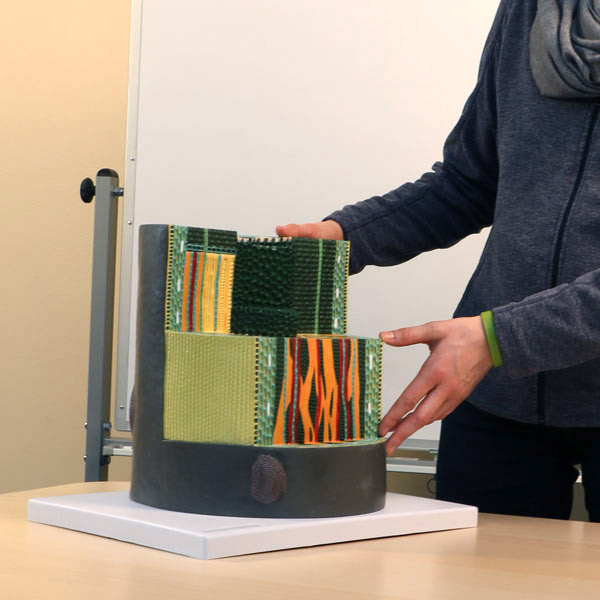
The Dicot Stem Model is a magnified view of the features and anatomy of a plant stem. This replica offers a cut-away view at the inside of a stem. Use this detailed model to show how a plant’s systems work together. Students can see an enlarged view of the structures, tissues, and vascular bundles of a dicot stem in full-color detail.
11. Horticulture Career Scenario Cards
These Horticulture Career Scenario Cards cover real-world situations in horticulture careers. Use these cards to develop soft skills within specific occupations through small-group discussions, as a large-group icebreaker, or as an individual challenge. They can supplement existing employability skills or be used to teach a complete unit on skills.
Additional Resources
- Interested in teaching hydroponics in your plant and soil science classes? Check out the 10 hydroponics class tips in this blog post
- See how you can implement hydroponics and aquaponics into your classroom here
- Watch our on-demand webinar on hands-on hydroponics and aquaponics education