Program Guide
Your complete resource for running successful bovine program
This week-by-week guide helps you bring bovine care skills to
life throughout the semester.
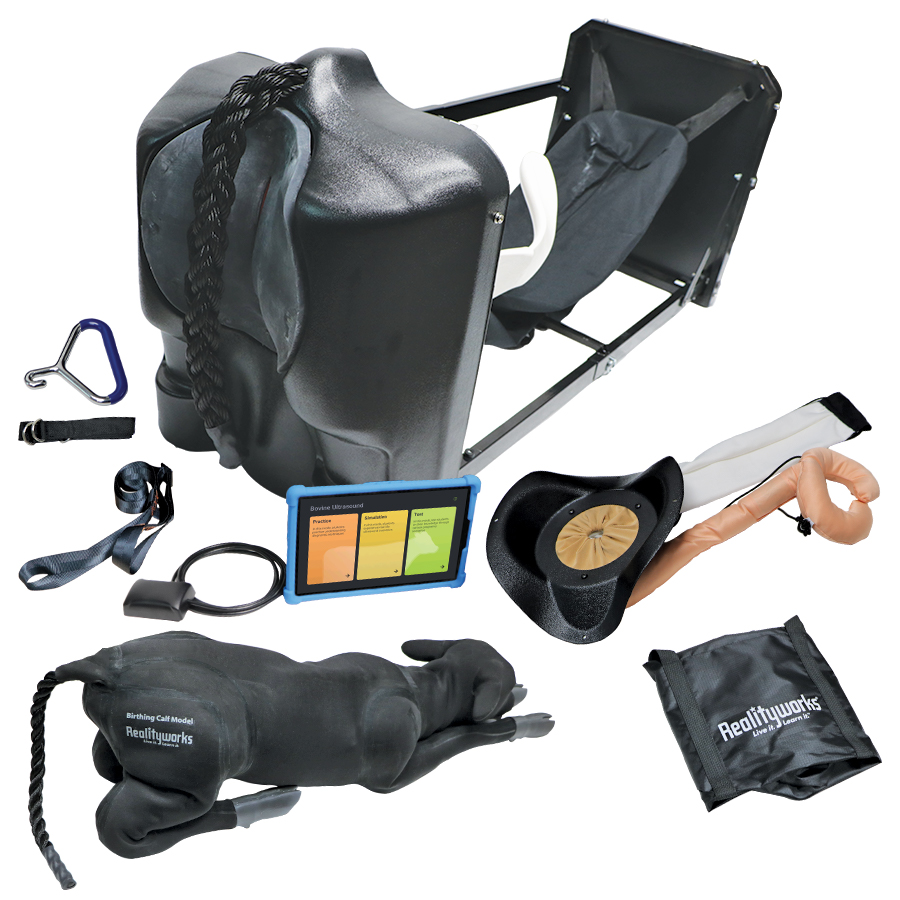
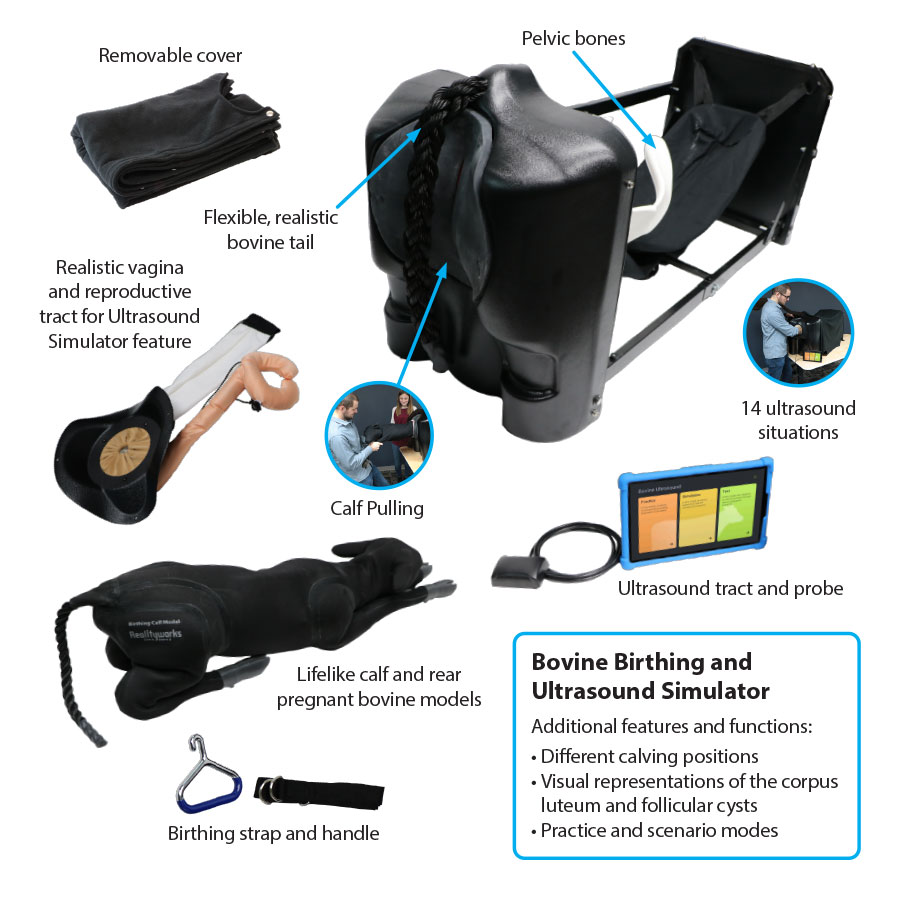

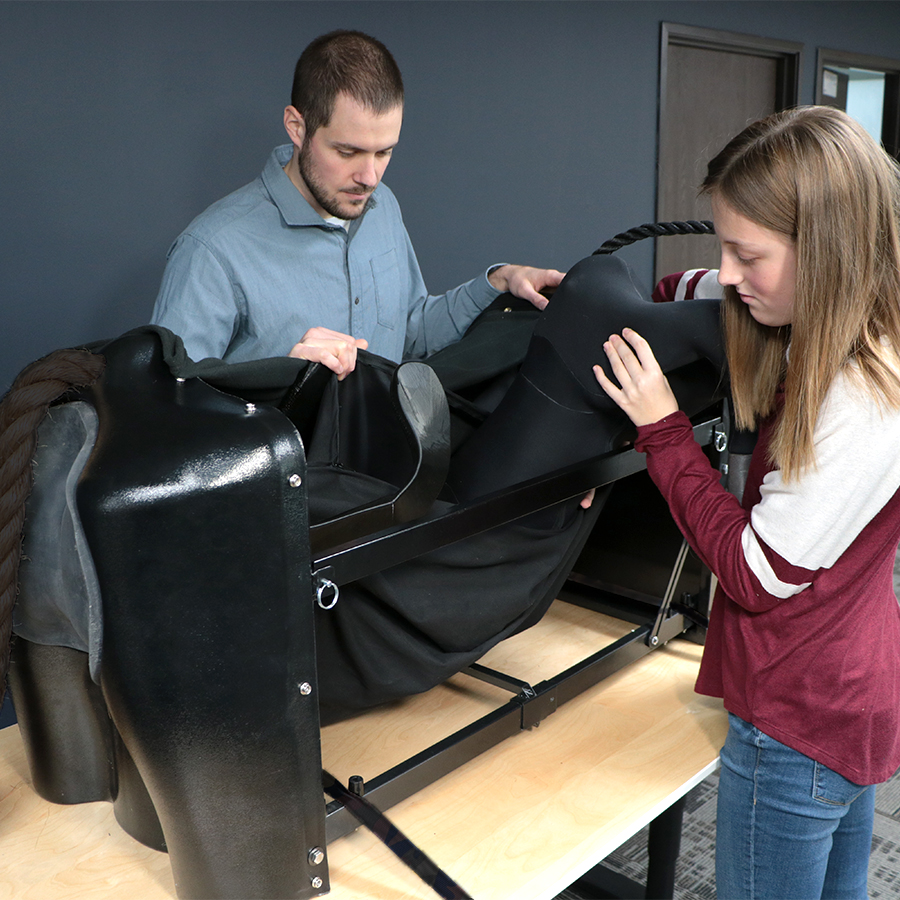
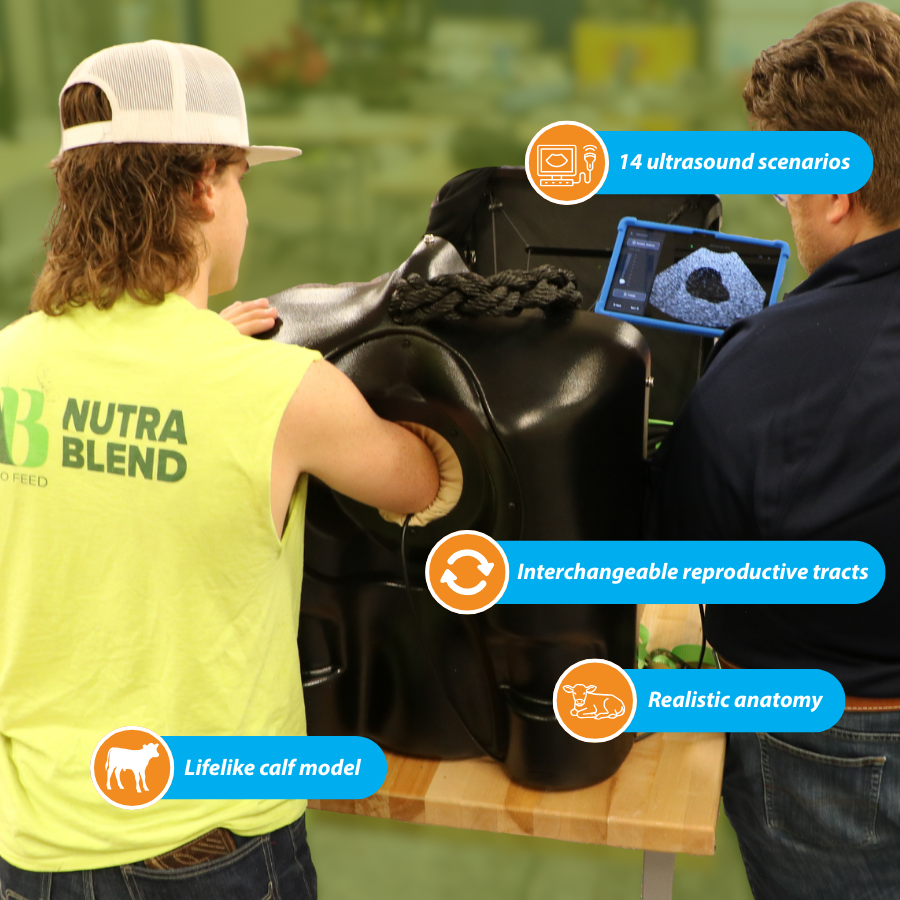
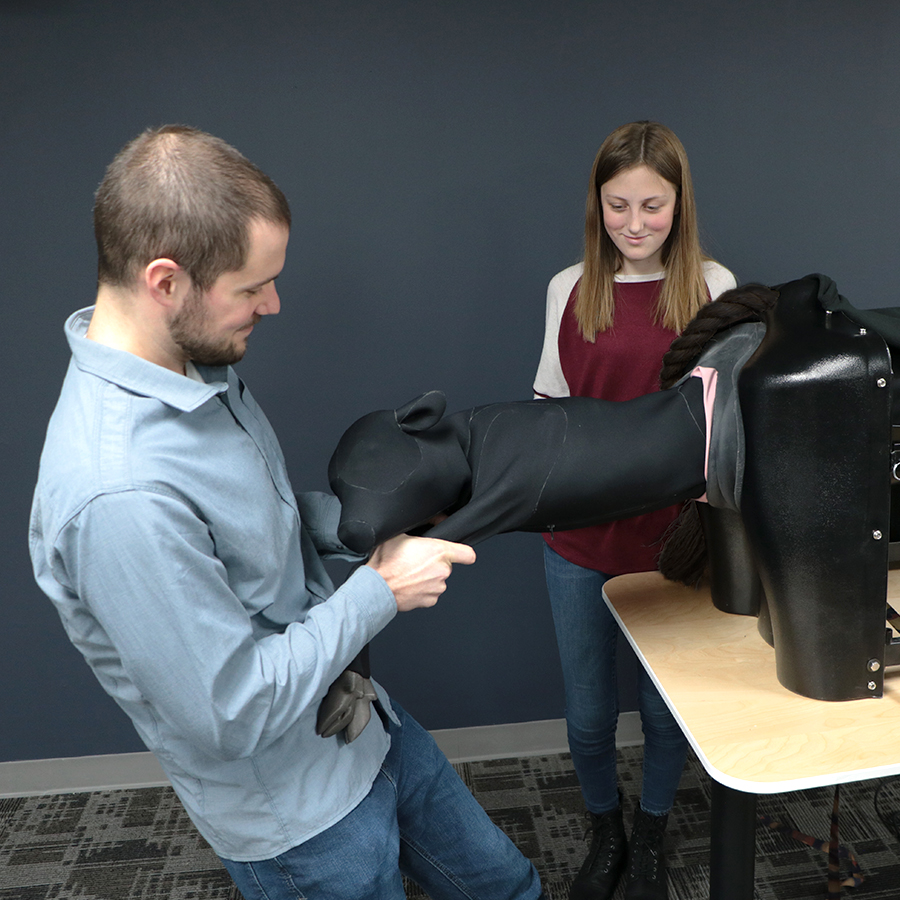
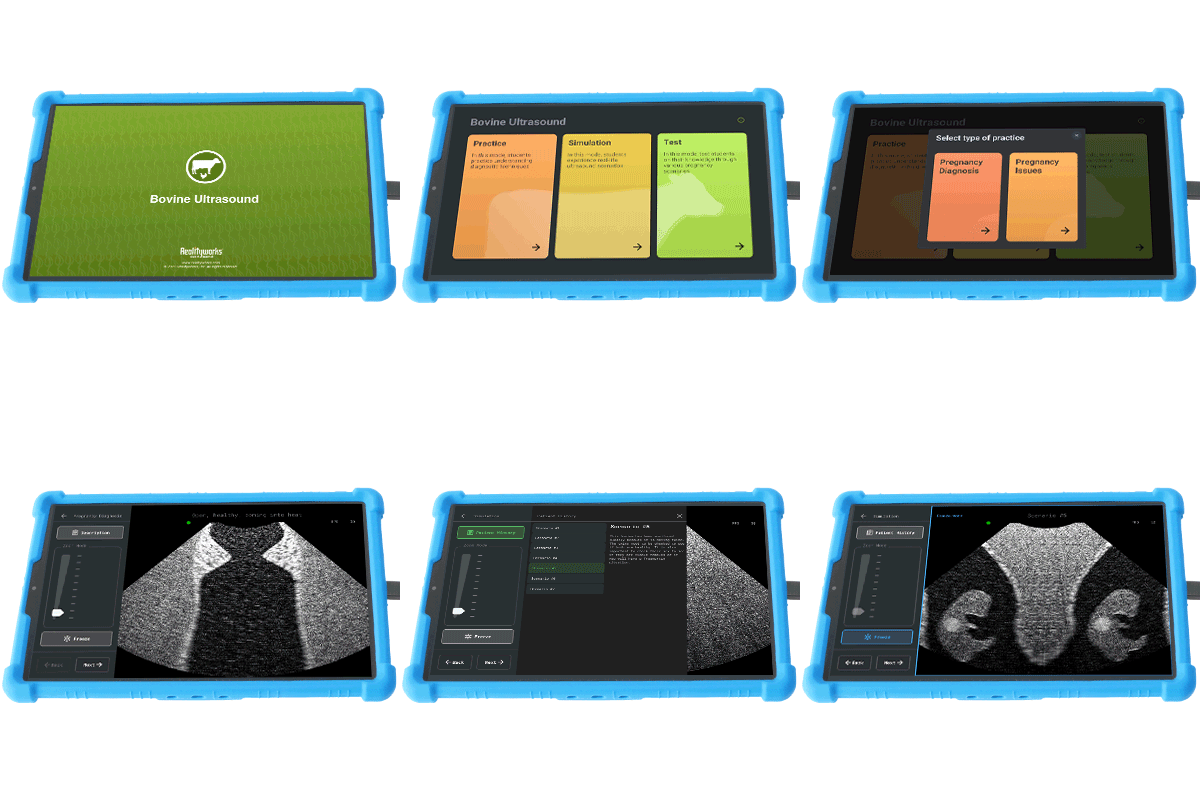
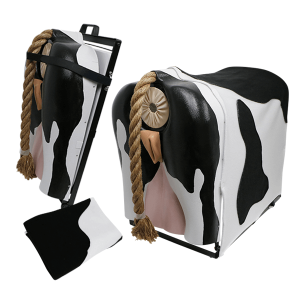
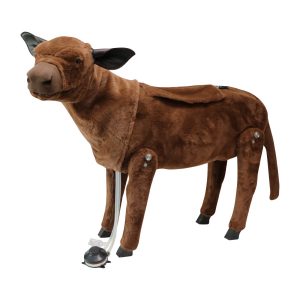
The Bovine Birthing and Ultrasound Simulator is an innovative educational tool designed to teach students essential skills in livestock management. This hands-on, safe, and repeatable practice system allows students to gain valuable experience in birthing calves and performing ultrasounds before working with live animals. For calf pulling practice, the simulator includes a Birthing Calf Model made of pliable neoprene material that is crafted to replicate the weight and movement of a newly born calf. The ultrasound simulator uses sensing technology to offer 14 ultrasound scenarios.

$13,749.00
Request a Free Quote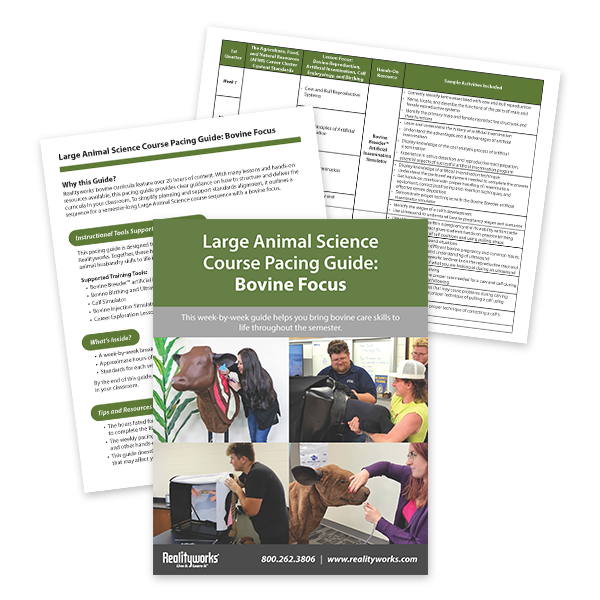
This week-by-week guide helps you bring bovine care skills to
life throughout the semester.
Package includes:
Introduction to Bovine Birthing and Ultrasound Techniques
Lesson topics:
1. Cow Anatomy
2. Cow Breeding
3. Proper Ultrasound Technique
4. Proper Birthing Technique
5. Birthing Abnormalities
Teaching hours: 3-5
Includes: Presentation slides, student activities, and assessment tools
Aligns to: Common Career Technical Core Standards
Alignment and Crosswalk Documents
Bovine Birthing and Ultrasound Curriculum Sample
Ultrasound Simulator features:
Blog – 3 Realistic Scenarios You Can Create with our Bovine Birthing and Ultrasound Simulator
Blog – 11 CTE Teaching Tools for Scaffolding in Education
Blog – Agriculture Skills Training: 5 Bovine Products Your Students Will Love
Video – Are You in the “Moo-d” to Explore Innovative Bovine Training Tools?
Customer Story – Tiktok Teacher’s Hands-on Tools Recruit Students to Agriculture Classes
International Pricing May Vary.
Check out our International page for appropriate contacts.


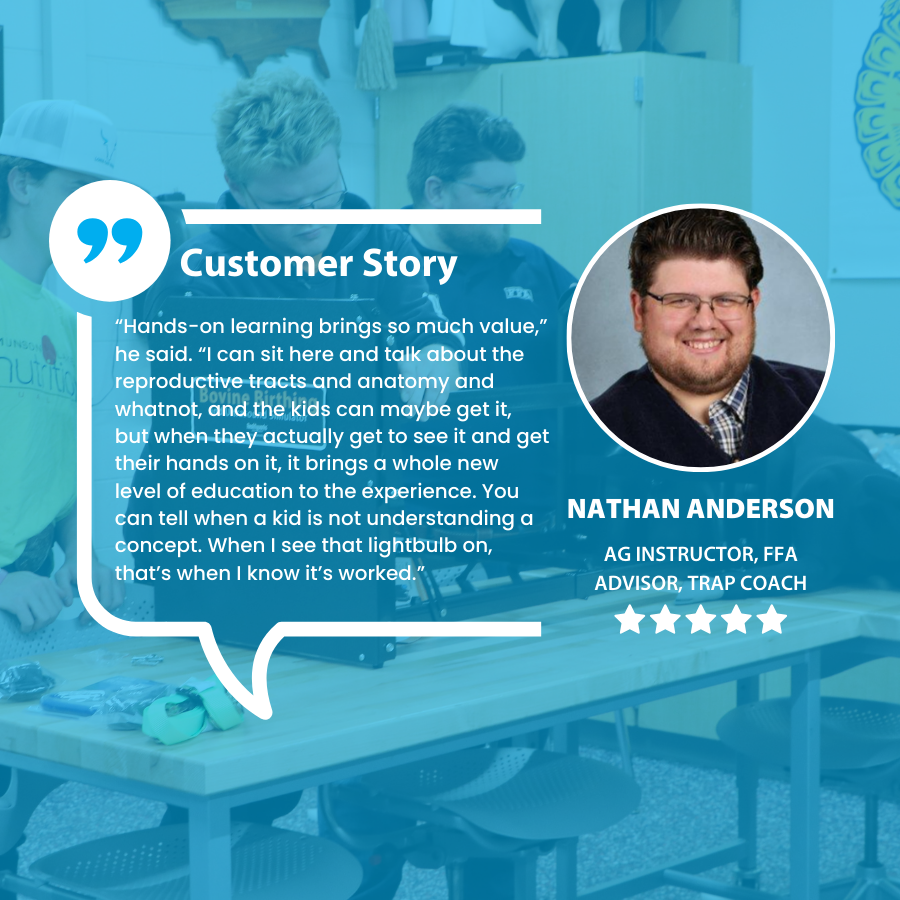
Nathan A., Ag Instructor, FFA Advisor –
Getting tools like this simulator, that come with curriculum, is a must. Plus, it allows me to do stuff with the kids that would require real animals, and therefore a danger aspect with the animals. But with this, I can give the students the same level of education without bringing in real animals, and that fear factor.