 Looking for career and technical education (CTE) teaching tools for scaffolding in education? We’ve created a variety of learning aids that help incorporate scaffolding methods into the classroom. Read on to explore hands-on, scaffolding tools for teaching a variety of CTE topics.
What Is Scaffolding in Education?
Scaffolding is a teaching method in which you start by breaking a topic up into bite-size chunks or providing students with lots of support as they start to learn a skill. Then, you slowly take away support as students’ independence and confidence increase. Some examples of scaffolding include modeling a task before having students perform it, connecting today’s lesson to prior experiences, and reflection activities.
CTE Teaching Tools for Scaffolding in Education
Many Realityworks’ learning aids help incorporate scaffolding into the classroom. All our teaching tools come with curriculum to cover foundational knowledge before students graduate to practicing skills on our simulators and, eventually, working with real people, animals, or tools of the trade.
1. guideWELD® VR welding simulator
Implementing the guideWELD VR welding simulator enables users to refine basic welding skills. This simulator contributes to scaffolding in education by having students begin welding in a simulated environment on a novice difficulty level before moving up to intermediate, then advanced, and finally a real welding booth.

2. Bovine Breeder™ artificial insemination simulator
The Bovine Breeder artificial insemination simulator is a unique learning aid that teaches correct cervix manipulation, artificial insemination (AI) gun positioning, and pregnancy palpation. Students learn about bovine reproductive systems and the basics of AI in the included curriculum. After establishing the basics, students practice AI on the simulator until they feel comfortable enough to work with a real cow.
3. ECG Simulators
Use our adult and Pediatric ECG Simulators to practice accurate placement of ECG/EKG leads on an adult or four-year-old child through rib palpation. Students learn about ECG leads and obtaining rhythm strips in the curriculum before practicing this skill on the simulator. Once they feel confident in practice mode, students can graduate to assessment mode before working with real patients.

4. Shaken Baby
Use the Shaken Baby simulator and curriculum to help students understand the effects of only a few seconds of shaking on an infant’s brain. It provides information about shaken baby syndrome in chunks, starting with the brain and what shaking does. Then, students get hands-on swaddling practice while the simulator gives them real-time feedback on how they did.
5. Canine Auscultation Trainer
The Canine Auscultation Trainer allows users to auscultate for important diagnostic sounds in the heart, lungs, and bowels. The trainer contributes to scaffolding in education by having students build canine auscultation skills in the trainer’s practice mode before they test those skills in assessment mode. After they’ve mastered the trainer, they can auscultate a real dog with confidence.

6. Auscultation Trainers
Use our award-winning Auscultation Trainer and Wearable Auscultation Trainer to teach students rib palpation, stethoscope placement, and how to accurately recognize heart, lung, and bowel sounds in a human. Students can start by practicing on the torso trainer with the skin cover off, allowing them to see all the organs they’re listening to. Once they get the hang of the basics, they can practice with the skin on before using the wearable trainer. With the wearable trainer, students have no visual landmarks, and they now have a person to practice patient care skills with.
7. Knife Skills Kit
Use the Knife Skills Kit to create interactive activities for up to six groups simultaneously. The included curriculum and provided materials focus on proper cutting procedures and safety. With this kit, students acquire some basic skills using models, knife guards, and clay. Once students have mastered the activities in the kit, they can move on to using real knives in cooking labs.

8. Bovine Birthing and Ultrasound Simulator
Give your students hands-on practice conducting bovine ultrasounds and birthing calves with our Bovine Birthing and Ultrasound Simulator. Teach cow anatomy and breeding with the downloadable curriculum before having students practice proper ultrasound and birthing techniques on the simulator. You can place the simulator on a tabletop for students to practice calf pulling with a variety of calf positions before working with a real animal.
9. Blood Pressure Simulator
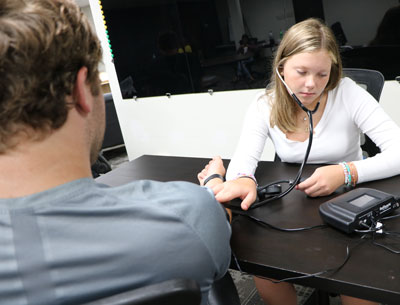
This award-winning Blood Pressure Simulator contributes to scaffolding in education by helping teach proper techniques for taking blood pressure prior to actual clinical experience. The simulator can be used with any stethoscope and features practice and assessment mode, a wearable pulse band, and a cuff with Korotkoff speaker.
10. RealCare Baby® 3 Infant Simulator
RealCare Baby 3 (formerly known as Baby Think It Over® or BTIO®) is the world’s most advanced infant simulator. This simulator contributes to scaffolding in education by providing curriculum for students to learn basic infant care skills before they practice those skills on the simulator in demo mode. Once students feel comfortable, they can take the simulator home for the weekend and care for it themselves.
11. Child Care Experience™ Program
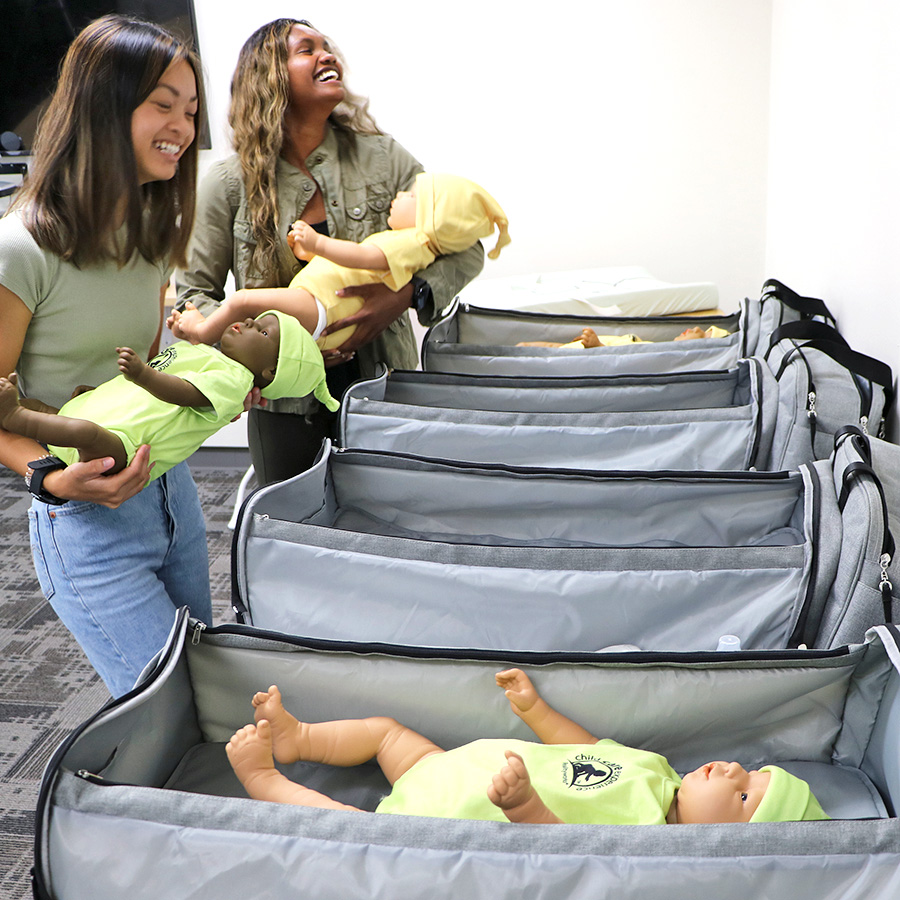
The Child Care Experience Program (CCE) is a complete simulation involving hardware, software, and curriculum that are ideal for early childhood education capstone projects as well as creating real-life childcare skills practice opportunities. Students can start with a 1:1 ratio of students to infants in a simulation and work up to a 1:4 ratio before working with real infants in a childcare center.
Additional Resources
Looking for more resources to contribute to scaffolding in education or bring hands-on learning to your CTE classes?
- Watch our free, on-demand webinar, Unlocking Career Paths: Hands-on Tools Your Students Will Love
- Read our customer story, “College Agriculture Science Program Uses Hands-on Tools to Bring Lessons to Life”
- See how a North Carolina county engages students through hands-on tools in this story